Managing access to your buildings should be straightforward. Doors lock when they should. The right people get in. The wrong people do not. When access control is outdated, that simplicity disappears and the costs start stacking up quietly until something breaks, fails an audit, or turns into a real incident.
TL;DR: Outdated access control systems drain time, money, and operational trust through manual workarounds, security gaps, and compliance risk. Modern, cloud-connected access control reduces these hidden costs by centralizing management, improving visibility, and scaling with your organization. The right upgrade can be deployed faster than most teams expect and start paying for itself almost immediately.
The Hidden Costs of Outdated Access Control (And How to Fix It Fast)
If you oversee facilities, IT, or security, you have probably asked yourself a version of this question: why does managing doors still feel harder than it should?
Outdated access control systems often keep working just well enough to avoid immediate replacement. Cards still open doors. Schedules still exist somewhere. But behind the scenes, teams are dealing with slow updates, incomplete logs, manual processes, and growing security gaps. The longer those systems stay in place, the more expensive they become in ways that never show up as a line item.
What Are the Real Costs of Outdated Access Control?
The biggest costs are rarely the hardware itself. They show up in daily operations, risk exposure, and wasted labor.
First, there is the time tax. Legacy systems often require on site changes, manual programming, or calling a vendor for simple updates. Adding or removing user access becomes a ticket instead of a click. Over a year, that adds up to hundreds of hours of staff time.
Second, there is the visibility gap. Older systems provide limited reporting or incomplete access logs. That makes investigations slower and compliance reviews harder. In regulated environments like healthcare, education, or manufacturing, missing logs are not just inconvenient. They are a liability.
Third, there is the security blind spot. Lost badges that stay active. Doors propped because schedules are inflexible. Systems that do not integrate with video or alarms. These gaps create opportunities that modern threats exploit quickly.
Finally, outdated systems do not scale. As organizations add locations, remote workers, or new technologies, access control becomes fragmented. Each site feels different. Central oversight disappears.
How Can You Tell Your Access Control Is Holding You Back?
Most teams live with outdated access control longer than they should because the warning signs feel normal. Here are the most common red flags we see.
User access changes require manual work or vendor intervention
You cannot manage multiple sites from one dashboard
Access logs are hard to export or incomplete
The system does not integrate with video, alarms, or identity tools
Remote access management is limited or unavailable
Hardware replacements are difficult or discontinued
If more than one of these feels familiar, the system is already costing you more than you think.
Why Do Modern Access Control Platforms Fix This So Fast?
Modern access control platforms like Brivo, PDK, and Verkada are built for how organizations actually operate today.
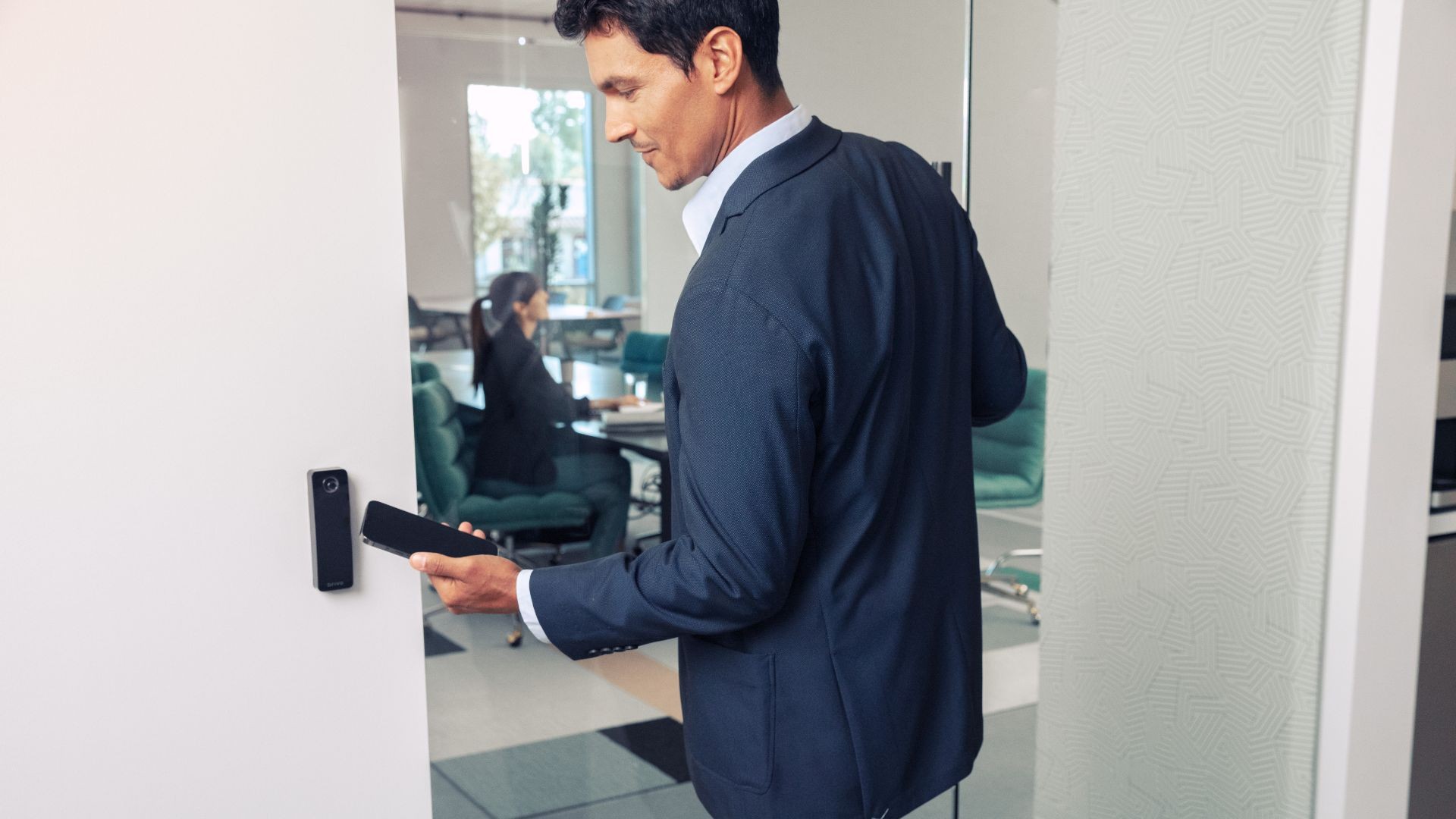
They centralize management so IT, facilities, and security teams can control access across all locations from one interface. Changes happen instantly. Permissions are role based. Logs are searchable and exportable.
They also integrate cleanly with video systems, alarms, and analytics. When something happens at a door, you can see the event, verify it on video, and respond with context instead of guesswork.
Most importantly, modern systems deploy faster than legacy replacements. Cloud managed access control often reuses existing door hardware and focuses upgrades where they matter. That shortens downtime and speeds time to value.
Faster Access Control Without Disrupting Operations
A multi site commercial client came to Hoosier frustrated by how long it took to manage employee access across locations. Each site used the same legacy system, but none were centrally managed. Terminations took days to fully process. Audits required manual exports and reconciliation.
Hoosier replaced the existing platform with a cloud managed access control system that integrated with their video environment. Most door hardware stayed in place. Management moved to a single dashboard.
The result was immediate. Access changes dropped from days to minutes. Audit prep time was reduced by more than 50 percent. The security team finally had visibility across every location without adding headcount.
How Do You Fix Outdated Access Control Without a Full Rip and Replace?
The fastest upgrades start with a clear assessment, not a product pitch.
A good integrator evaluates what hardware can stay, what needs replacement, and how access control should integrate with the rest of your security stack. That includes video, alarms, environmental sensors, and monitoring services.
At Hoosier, this is where the Find It and Fix It mindset matters. The goal is not to sell the biggest system. It is to eliminate the friction and risk that are costing you time and trust every day.
FAQ
Q: Is cloud based access control secure enough for enterprise environments?
Yes. Modern cloud platforms use encrypted communications, role based permissions, and continuous updates. In many cases, they are more secure than on prem systems that rely on outdated software and inconsistent patching.
Q: Can I upgrade access control without replacing all my doors and readers?
Often, yes. Many modern platforms support existing wiring and hardware. A proper site assessment determines where upgrades are truly needed.
Q: How fast can a new access control system be deployed?
Deployment timelines vary, but many clients see phased rollouts completed in weeks, not months, especially when hardware reuse is possible.
Q: Does access control integrate with video systems?
Yes. Platforms like Brivo, PDK, and Verkada integrate with leading video systems to provide event based verification and faster investigations.
Come See Real Solutions in Action
Outdated access control does not fail all at once. It erodes confidence, visibility, and efficiency over time. The fix does not have to be disruptive or slow.
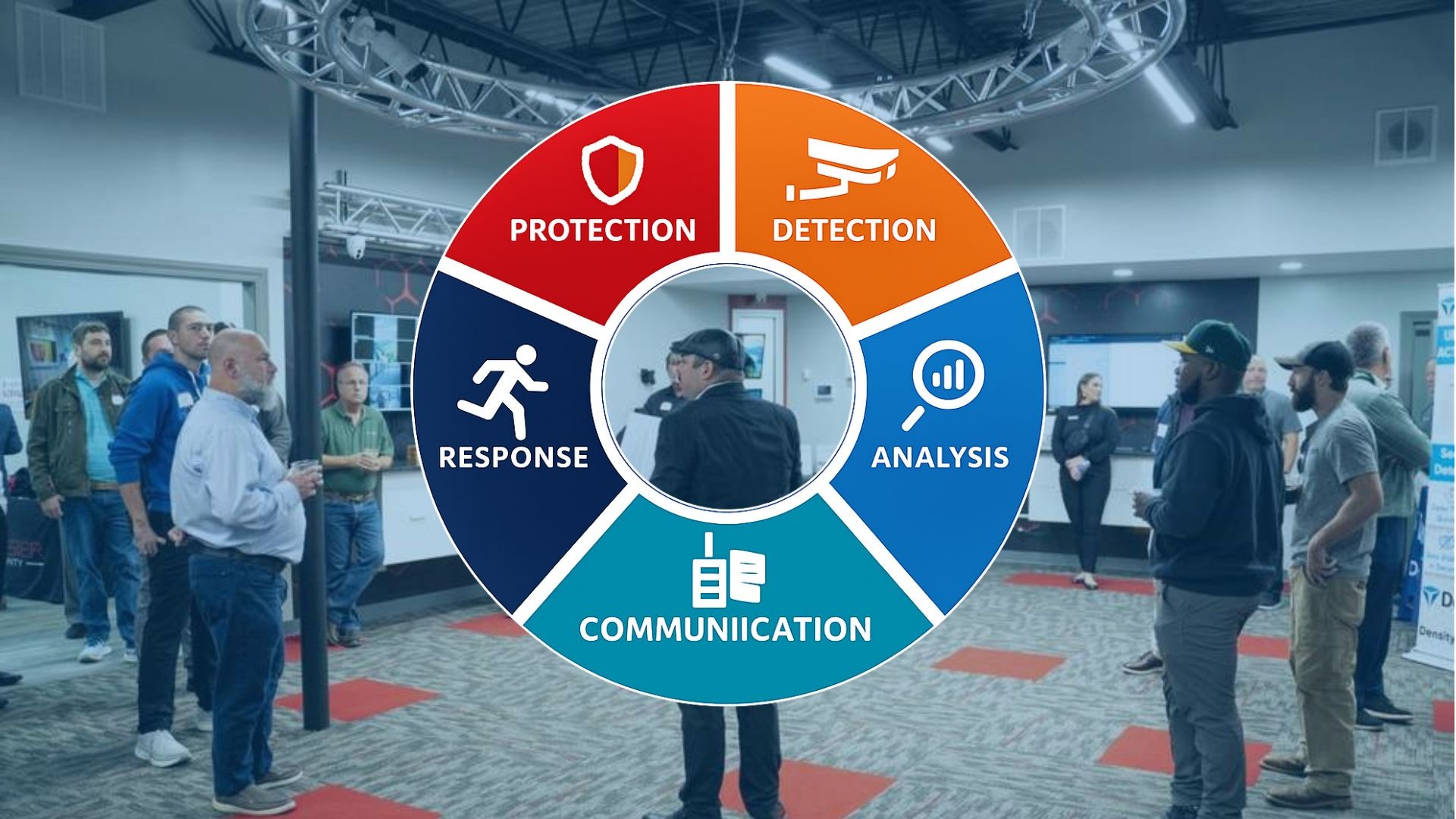
Schedule a visit to the Hoosier Security Experience Center to see modern access control platforms in action, or talk with a Hoosier service advisor about assessing your current system and identifying fast wins. The sooner you address the hidden costs, the faster your security infrastructure starts working for you instead of against you.