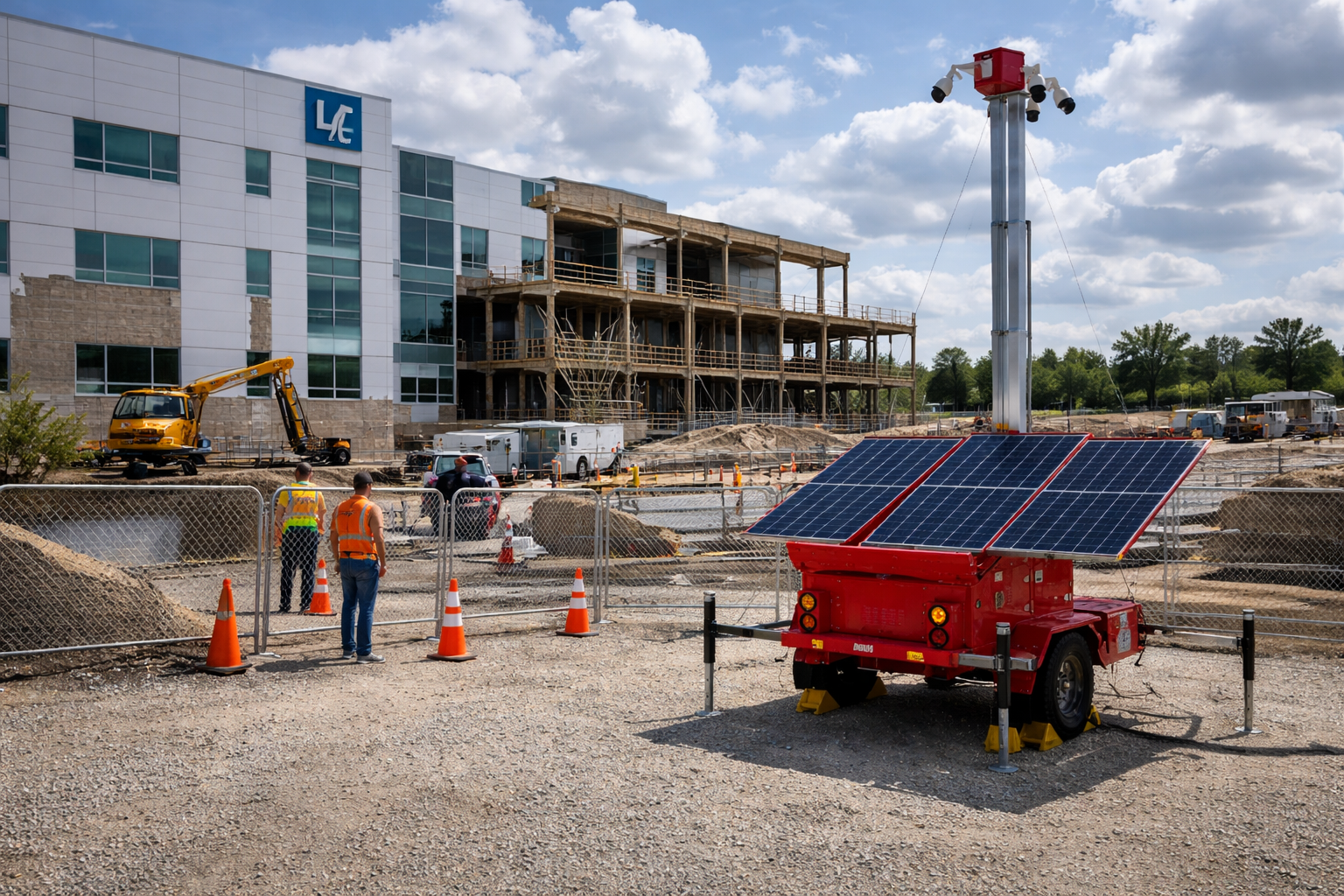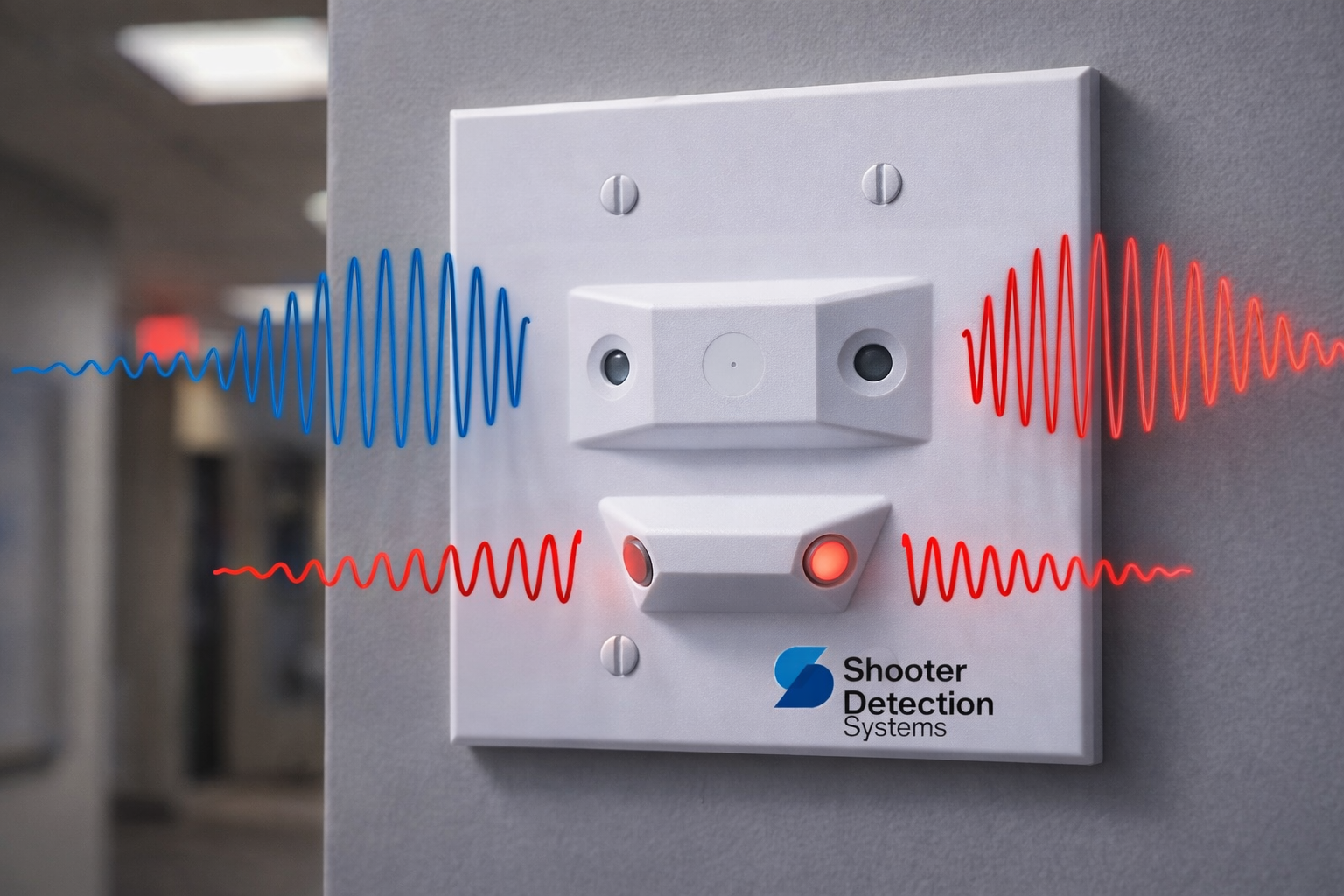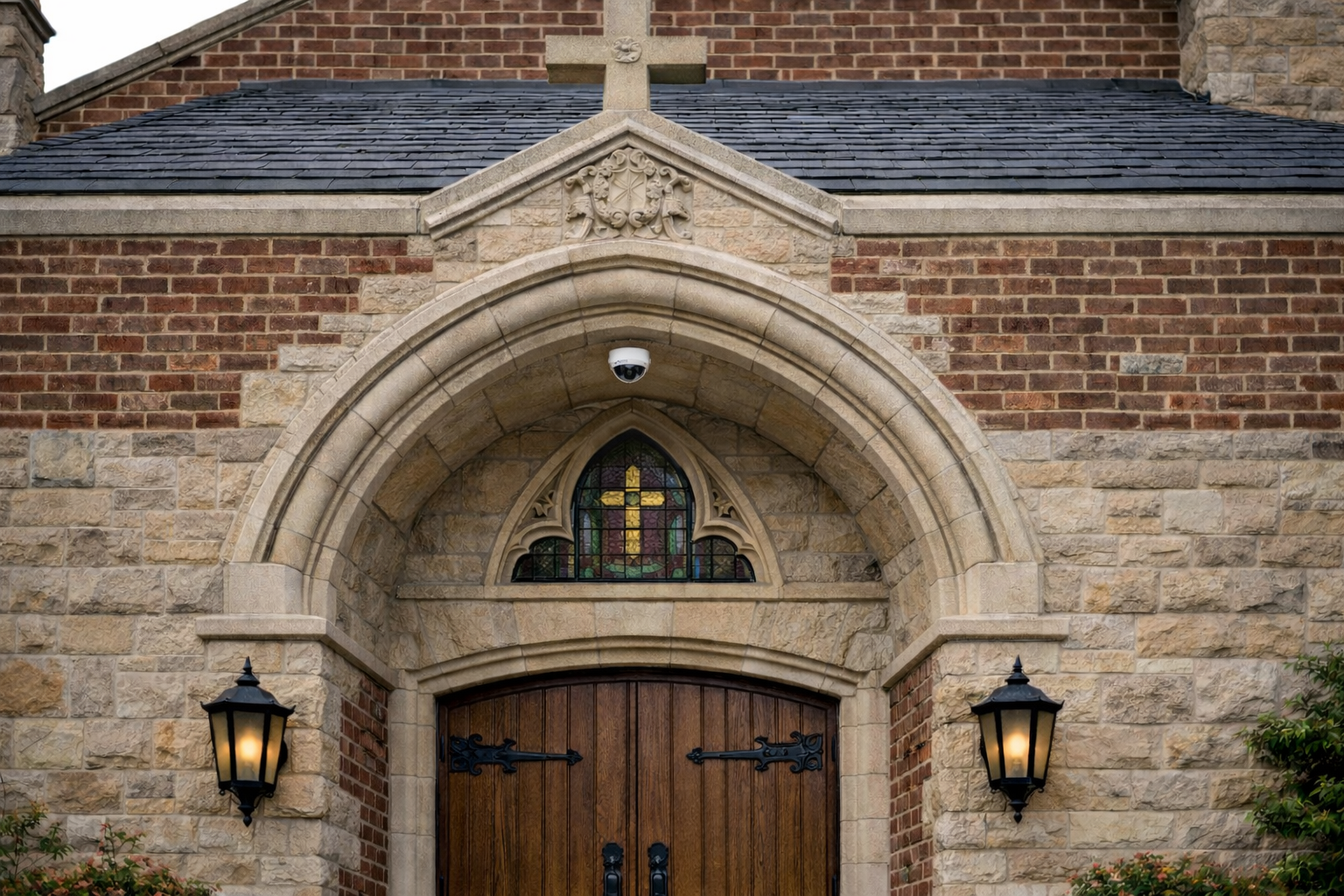
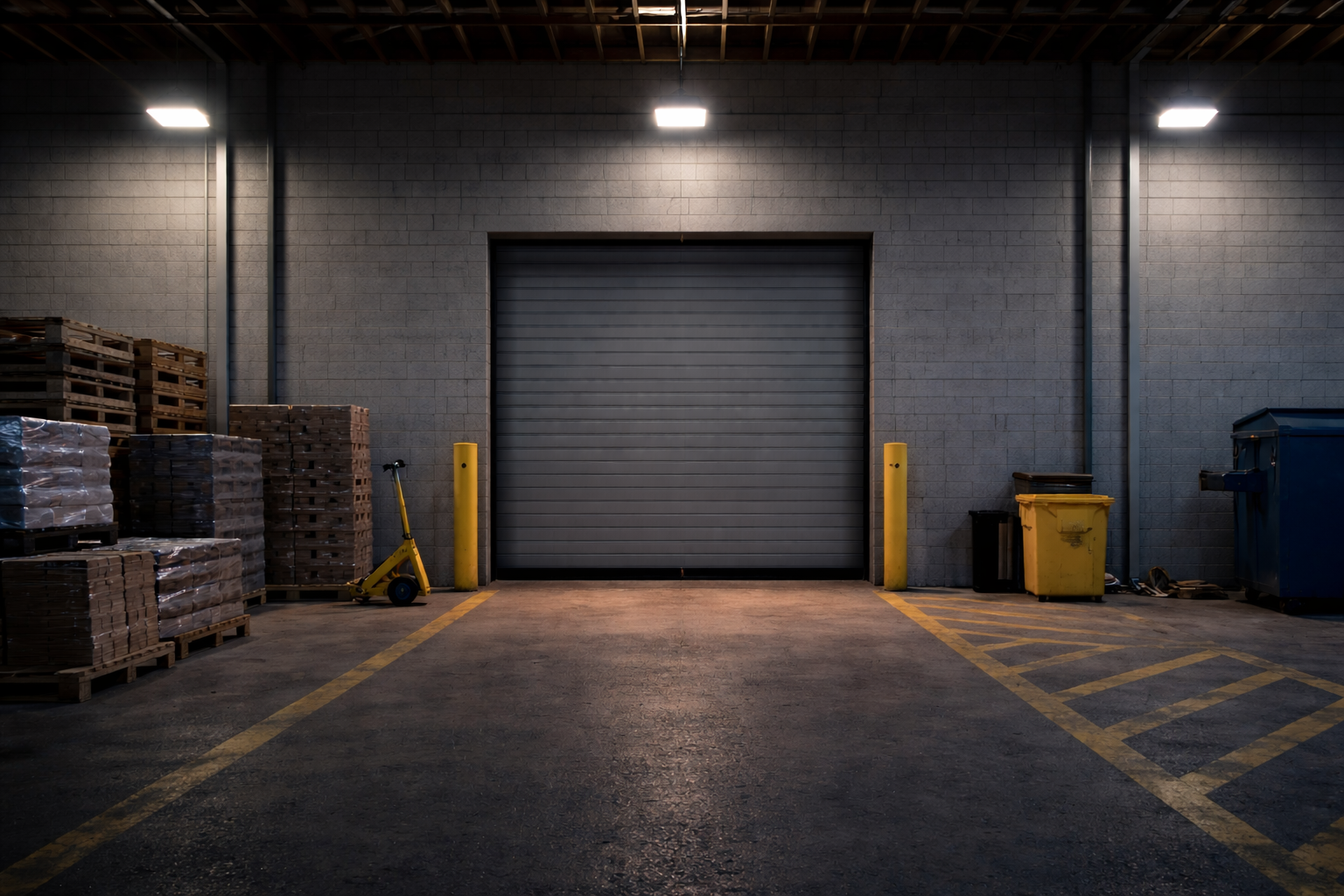
You invested in cameras. You can pull up video from your phone. Everything looks covered.
So why do incidents still happen just outside the frame?
Why does footage show a suspect’s back, not their face? Why does theft occur in areas that were “supposed” to be monitored?
This is the uncomfortable truth: most commercial sites do not have a camera problem. They have a camera placement problem.
Poor placement creates blind spots, unusable footage, and false confidence. And that costs you money, liability, and operational headaches.
TL;DR: Most commercial security camera failures are not caused by bad equipment but by poor placement. Critical zones like interior transition points, side entrances, and internal choke points are often left uncovered, creating blind spots that only become obvious after an incident. A layered placement strategy that prioritizes identification zones, overlapping views, and AI-assisted analytics turns your video system from passive recording into proactive protection.
Why Do So Many Commercial Camera Systems Still Miss Critical Coverage?
Most systems were designed for visibility, not investigation.
Many integrators simply mount cameras where it is easy. Over doors. On corners. High on walls. The result looks impressive on a monitor wall but fails under scrutiny.
Common placement mistakes include:
Cameras mounted too high to capture facial detail
Wide angles that sacrifice identification for coverage
No overlapping views at entrances
No coverage inside vestibules or secondary access points
Ignoring choke points inside the facility
We regularly see this in manufacturing, healthcare, and multi-site retail environments. The building looks covered. But when something happens, the footage cannot answer basic questions.
A camera that cannot identify, verify, or provide context is just a recording device. It is not a security tool.
What Are the Most Commonly Missed Coverage Zones?
Across industries, the same gaps appear again and again.
1. Interior Vestibules and Transition Points
You may have a camera outside and one inside. But the transition zone between them is often missed. This is where tailgating, badge sharing, and unauthorized entry happen.
2. Side and Service Entrances
Loading docks, employee entrances, and vendor access doors are frequently under-covered. These doors often have less traffic and less supervision.
3. Parking Lot-to-Building Pathways
Cameras cover the lot. Cameras cover the lobby. But the walkway between them? No identification view.
4. High-Value Storage Areas
Warehouses and manufacturing sites often monitor the perimeter but under-cover internal storage racks, tool cribs, and inventory staging areas.
5. After-Hours Activity Zones
Healthcare facilities, dealerships, and municipal buildings frequently lack optimized low-light placement around secondary areas.
When we evaluate sites using platforms like Verkada, Avigilon, or Axis Communications, these are the areas where gaps consistently show up.
How Should Camera Placement Actually Be Designed?
Camera placement should follow a layered defense strategy.
Not random mounting. Not box-checking. Not “one per corner.”
At Hoosier, we design around five questions:
Where does someone first approach your property?
Where do they transition from public to restricted space?
Where could assets be removed or damaged?
Where would you need facial identification versus general activity monitoring?
Where can AI analytics reduce human monitoring needs?
Using AI-enabled cameras from partners like Verkada, Axis Communications, and Motorola Solutions, placement can support:
Facial identification at access points
Vehicle detection and license plate capture
Unusual behavior alerts
After-hours motion filtering
Restricted-area dwell alerts
Proper placement combined with AI video analytics turns passive recording into proactive detection.
Checklist: Is Your Camera Placement Actually Working?
Use this quick diagnostic:
Can you clearly identify a face at every entrance?
Do cameras overlap in high-risk areas?
Are internal choke points covered, not just the perimeter?
Can you detect tailgating events?
Do you have both overview cameras and identification cameras?
Are low-light areas optimized for night visibility?
If you answered “no” to more than two of these, your system likely has performance gaps.
Manufacturing Facility Coverage Failure
A regional manufacturing client believed their facility was fully covered. They had over 70 cameras installed by a previous provider.
After a high-value tool theft, the footage showed movement but no usable identification. The suspect walked through an unmonitored interior transfer hallway between production and storage.
We conducted a full coverage audit and redesigned placement using a layered strategy. We added identification-focused cameras at internal choke points and integrated analytics through Avigilon.
Result:
100 percent identifiable coverage at all controlled transitions
38 percent reduction in internal shrinkage within 12 months
Faster internal investigations with searchable footage
They did not need more cameras everywhere. They needed smarter placement.
Does Adding More Cameras Fix Coverage Gaps?
Not necessarily.
More cameras can actually increase complexity and management costs. The goal is strategic placement, not density.
Smart systems prioritize:
Identification zones
Overlapping fields of view
Analytics-triggered alerts
Integrated access control verification
Quality placement outperforms quantity every time.
How Do AI Video Analytics Change Placement Strategy?
AI analytics shift the conversation from recording everything to detecting what matters.
With properly positioned cameras, systems can:
Trigger alerts for loitering near sensitive areas
Identify vehicles entering restricted lots
Flag after-hours movement
Cross-reference access control events
This only works when cameras are placed intentionally.
For more on how AI improves proactive security, see:
From Surveillance to Intelligence: How AI Video Analytics is Changing the Game
How AI-Assisted Security Helps Detect Safety Hazards Before They Become Incidents
5 Signs It’s Time to Upgrade Your Video Management System (VMS)
FAQ
Q: How high should commercial security cameras be mounted?
A: Height depends on purpose. Overview cameras may be mounted higher for broad visibility, but identification cameras should typically be positioned between 8–12 feet to capture usable facial detail without distortion.
Q: Is wide-angle coverage better than focused views?
A: Wide angles show activity. Focused views provide identification. Most sites need both. Relying only on wide-angle views creates investigation gaps.
Q: Can we fix placement without replacing our entire system?
A: Often, yes. Many clients benefit from a placement audit and selective repositioning rather than a full rip-and-replace.
Q: How often should placement be reviewed?
A: At minimum, during major facility changes, expansions, or workflow adjustments. Growth often creates new blind spots.
Discover Your System Vulnerabilities Today
You should not have to guess whether your cameras are actually protecting you.
We help commercial facilities evaluate placement, identify blind spots, and redesign coverage using proven layered strategies and AI-driven analytics.
Schedule a walkthrough at our Experience Center or request a site evaluation. We will show you exactly where your system is strong and where it is vulnerable.
Because a camera that misses the moment is not security. It is expensive hindsight.