TL;DR: Churches strengthen safety without creating a “security culture” by using low-visibility, integrated technology that supports awareness and response in the background. Discreet cameras, controlled access to sensitive areas, and smart alerts reduce risk without disrupting worship or hospitality. When security is quiet, proactive, and purpose-driven, it protects people while preserving the openness churches are built on.
How Churches Can Use Technology to Strengthen Safety Without Creating a “Security Culture”
Churches face a difficult balance. You want doors open, people welcomed, and worship uninterrupted. At the same time, you are responsible for the safety of your congregation, staff, volunteers, and children.
Many faith leaders hesitate to add security because they fear creating a “security culture” that feels cold, militarized, or out of place. The good news is that modern security technology does not have to look or feel like security at all. When designed correctly, it supports safety quietly in the background while preserving the spirit of community.
How can churches improve safety without making it feel like a fortress?
The goal is not visible enforcement. The goal is awareness and readiness.
Modern security systems are designed to blend into environments, not dominate them. Discreet cameras, controlled access points, and automated alerts allow church staff to stay informed without changing the worship experience.
When technology works as intended, most people never notice it. What they do notice is that the church feels organized, calm, and well-run. That sense of order is what actually improves safety.
What types of technology support safety without disrupting worship?
The most effective church security strategies rely on layered, low-visibility tools that work together.
Common examples include:
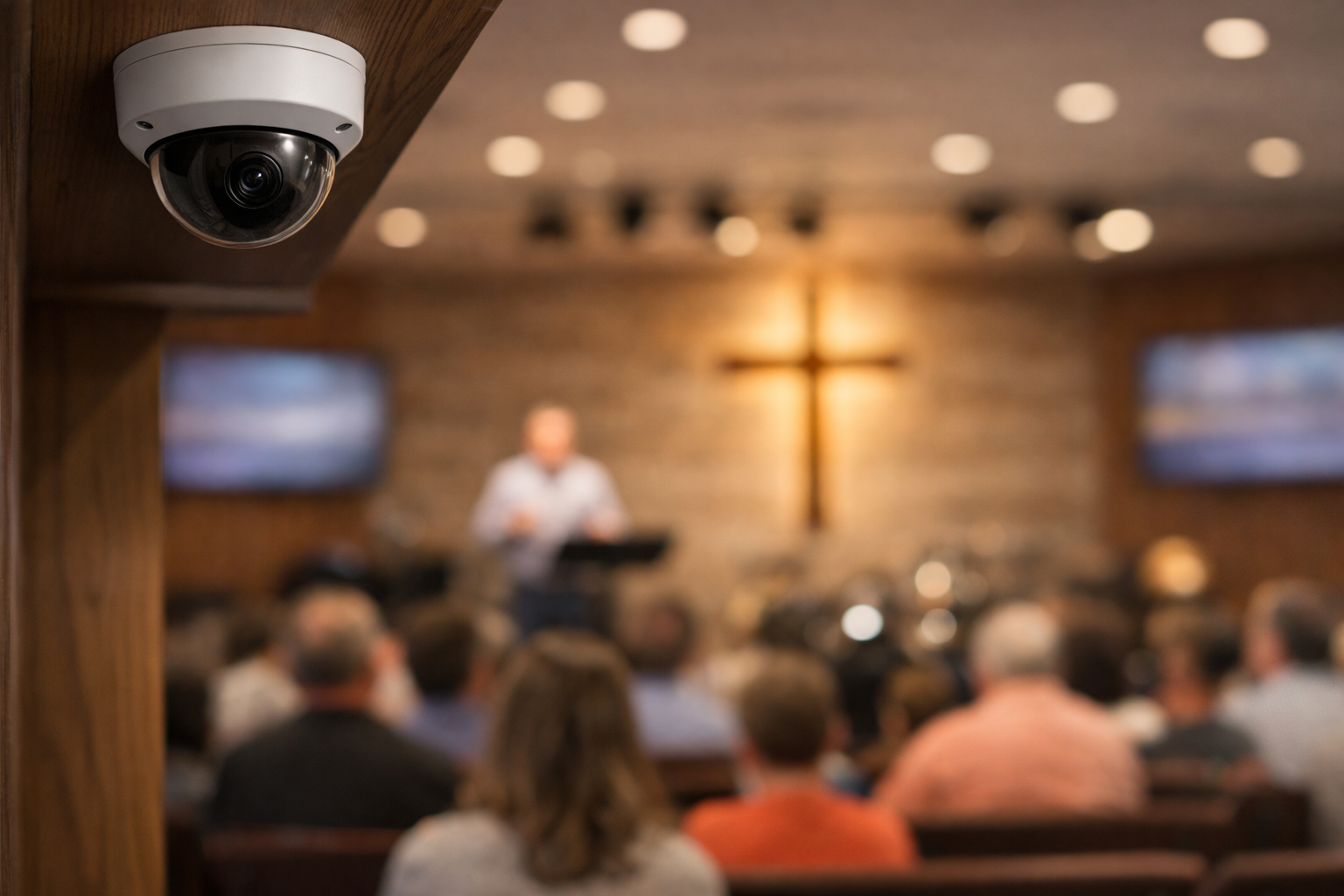
Video systems positioned to monitor entrances, children’s areas, and parking lots without being intrusive
Smart access control for offices, childcare areas, and after-hours use, so doors are not left unsecured
AI video analytics that detect unusual behavior or after-hours movement without constant human monitoring
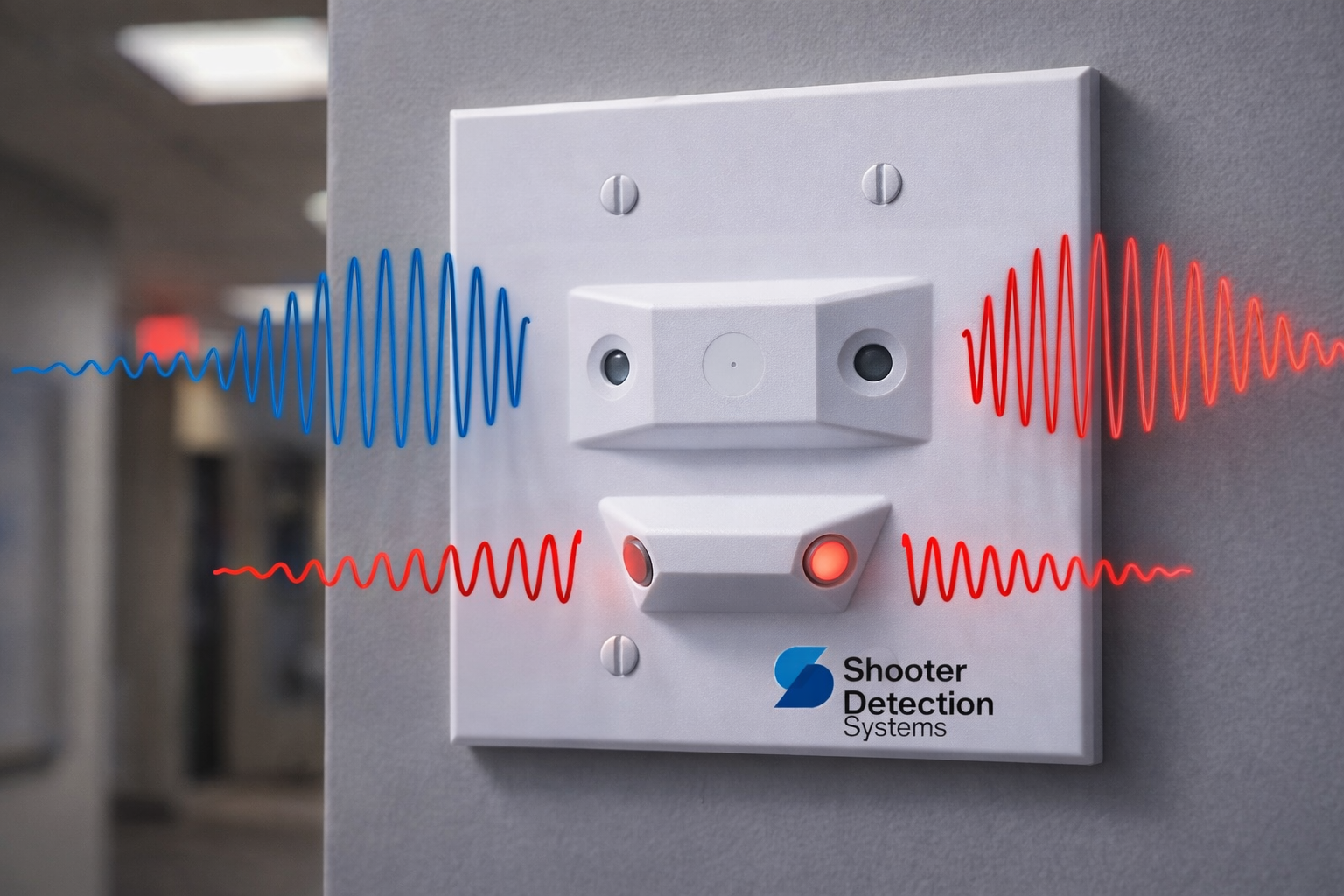
Environmental sensors that alert staff to vaping, air quality issues, or noise spikes in restrooms and hallways
Silent alerting tools that notify leadership or local responders without causing panic
Solutions from platforms like Motorola Solutions, including Avigilon video systems and HALO sensors, are specifically designed to operate in the background. They provide information only when it matters.
How does technology reduce reliance on volunteers and manual monitoring?
Many churches rely on volunteers to watch doors, walk campuses, or respond to incidents. While volunteers are invaluable, they are not a scalable safety strategy.
Technology fills the gaps:
Cameras do not get distracted
Sensors do not miss early warning signs
Automated alerts remove guesswork during stressful moments
This allows volunteers and staff to focus on ministry, not surveillance. When something does need attention, the right people are notified quickly and quietly.
What does a balanced church security checklist look like?
A safety-focused church does not start with products. It starts with intent.
A practical checklist includes:
Clear visibility at main entrances and gathering areas
Controlled access to children’s and staff-only spaces
Monitoring that is centralized and easy to manage
Alerts that are actionable, not overwhelming
Systems that integrate rather than operate in silos
Churches that take this approach avoid overreacting while still preparing for real-world risks.
Quiet security, measurable peace of mind
A regional church campus struggled with unlocked doors during weekday programs and inconsistent volunteer coverage. Leadership wanted better safety but did not want visible guards or signage that changed the feel of the space.
By installing discreet access control on staff and childcare areas, adding video coverage at entrances, and enabling smart alerts for doors left open, the church gained visibility without changing daily operations.
The result was fewer security incidents, faster response when issues did arise, and increased confidence from parents and staff. Most congregants never noticed a change, which was exactly the goal.
FAQ
Q: Will adding cameras make our church feel unwelcoming?
A: Not when done correctly. Modern cameras are compact and unobtrusive. Most people expect them in public spaces and rarely notice them. Placement and purpose matter more than presence.
Q: Do we need armed security or guards to be safe?
A: Not necessarily. Technology can reduce the need for visible enforcement by providing early awareness and faster response. Many churches prioritize preparedness over presence.
Q: How do we protect children’s areas without locking everything down?
A: Access control allows you to restrict specific doors and times without affecting the rest of the building. Parents and volunteers gain peace of mind without added friction.
Q: Can small or mid-sized churches afford modern security systems?
A: Yes. Scalable systems allow churches to start small and expand over time. The focus is on solving real risks, not overbuilding.
Q: Who should manage the system day to day?
A: The best systems are simple enough for staff to manage while still providing advanced capabilities when needed. Training and local support are critical.
Explore Discreet Security Technology Today
Church safety does not require fear-based decisions or visible enforcement. It requires thoughtful design, the right technology, and a partner who understands your mission.
If you want to explore how discreet security technology can support your church without changing its culture, schedule a walkthrough of the Hoosier Security Experience Center or talk with a service advisor about a right-sized plan for your campus.
Safety should feel natural. When it does, it works.