TL;DR: Most safety programs only explain what went wrong after an incident. AI safety analytics changes that by identifying unsafe behavior in real time, allowing your team to intervene before injuries occur. In this article, you’ll see how these systems work, what proactive safety looks like in practice, and how to turn your existing cameras into a tool for prevention, not just documentation.How AI Safety Analytics Turn Your Safety Program into Safety Intelligence (Before Injuries Occur)
Most safety programs are built around what already happened.
An incident occurs. Someone reviews footage. A report gets filed. Training is updated. Then everyone moves on and hopes it does not happen again.
But that approach has a gap.
It assumes you will always be reacting after the fact.
If you are responsible for safety in a manufacturing facility, warehouse, or multi-site operation, you have likely asked:
How do I catch unsafe behavior before it becomes an incident?
That is where AI safety analytics changes the conversation.
Instead of reviewing incidents, you start identifying risk in real time.
What Is AI Safety Analytics and How Does It Work?
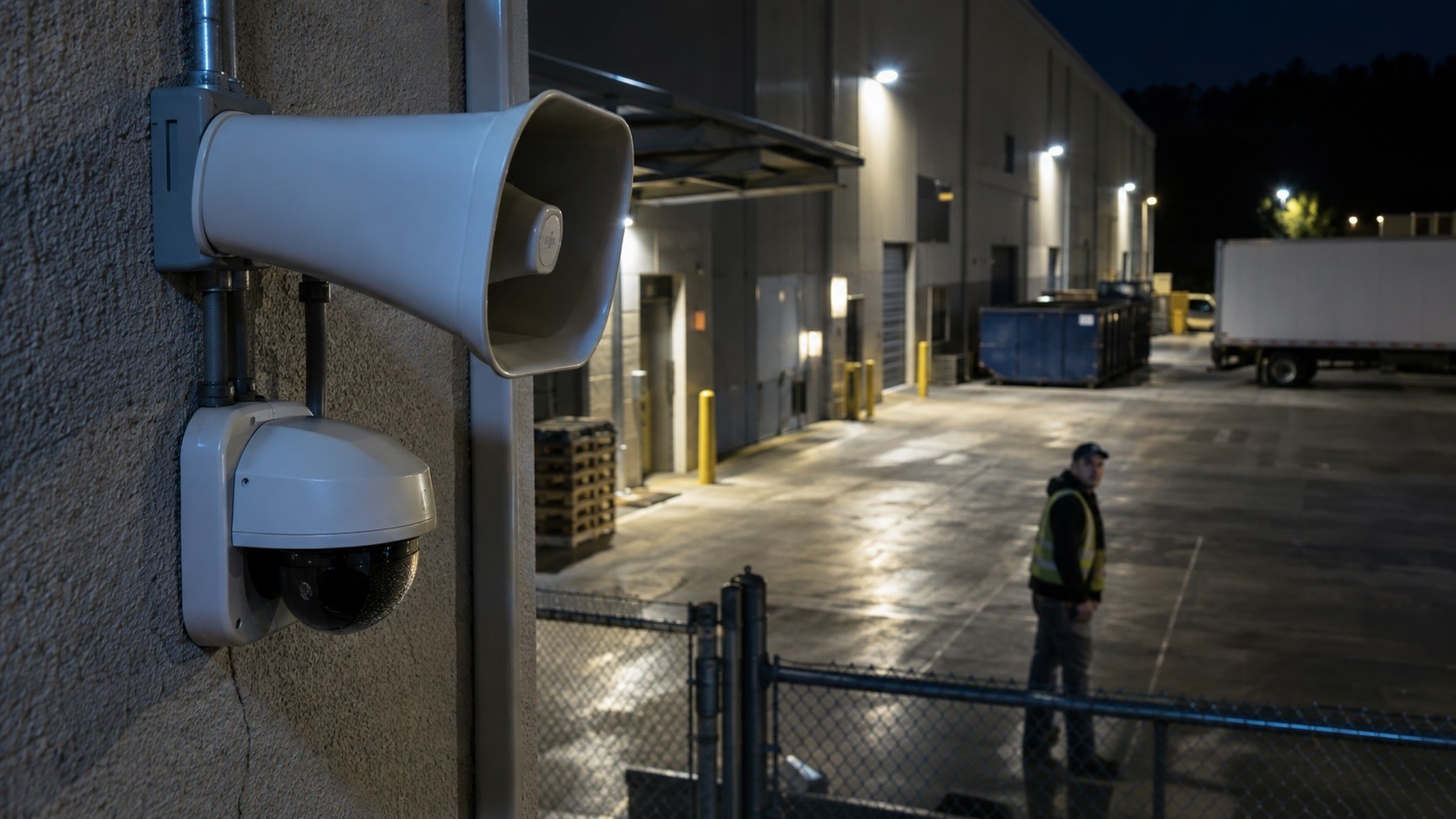
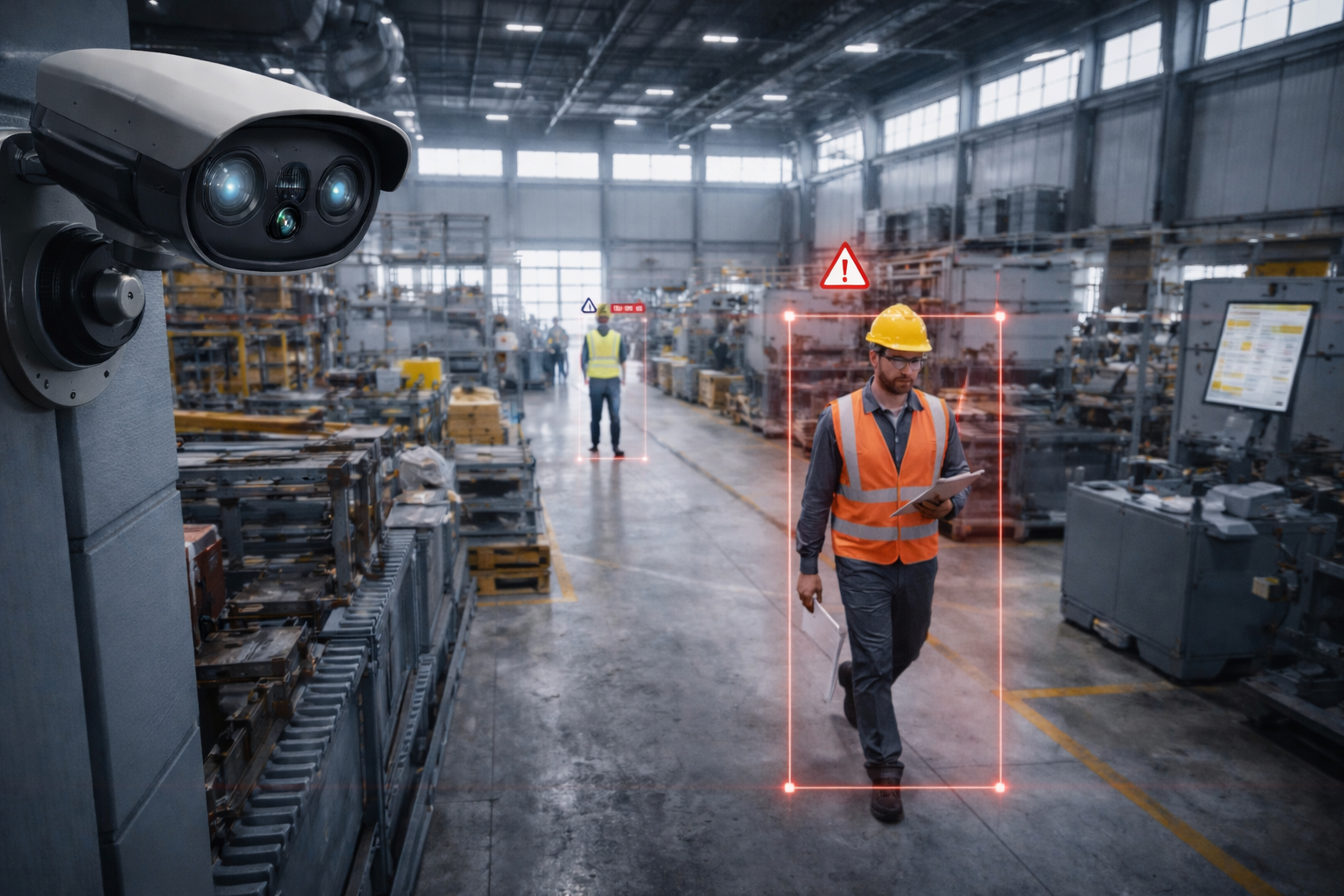
AI safety analytics uses video systems and sensors to detect unsafe behavior as it happens.
This is not just motion detection. It is context.
Modern systems from platforms like Motorola Solutions and Verkada analyze patterns such as:
- Missing PPE like hard hats or safety vests
- Employees entering restricted or hazardous areas
- Unsafe movement around equipment or forklifts
- Loitering in high-risk zones
- Traffic flow issues during shift changes
Instead of waiting for a supervisor to notice, the system flags it immediately.
Your team can respond in the moment, not hours later.
That is the shift from safety program to safety intelligence.
Why Traditional Safety Programs Miss the Problem
Even strong safety programs have limitations.
They rely on:
- Manual observation
- Incident reporting after the fact
- Periodic audits or walkthroughs
That creates blind spots.
Unsafe behavior often happens:
- Between audits
- During busy production periods
- In areas with limited supervision
By the time it is documented, the risk has already occurred.
AI safety analytics closes that gap by creating continuous visibility.
What Does Proactive Safety Actually Look Like?
When AI is applied correctly, safety becomes operational, not administrative.
Instead of reacting, your system is constantly identifying risk signals.
Here is what that looks like in practice:
Real-Time Detection
- PPE violations are flagged instantly
- Restricted zone access triggers alerts
- Unsafe behaviors are identified as they happen
Faster Response
- Supervisors receive alerts immediately
- Teams can intervene before escalation
- Issues are corrected in the moment
Searchable Intelligence
- Use natural language search to find patterns
- Example: “person without helmet near line 3”
- Investigations take minutes, not hours
Measurable Trends
- Identify repeat behaviors or problem areas
- Track improvements over time
- Use data to support safety initiatives and compliance
This is where safety becomes something you can actively manage, not just document.
Checklist: Signs You Are Still Operating Reactively
If any of these sound familiar, your system is likely still reactive:
- Incidents are discovered after the fact
- Investigations take too long to complete
- Video footage exists but is difficult to find
- Safety violations rely on supervisors noticing them
- Reports are created, but behavior does not change
A modern system should reduce or eliminate these issues.
From Near Misses to Early Intervention: How One Facility Turned Safety Into a Daily Operational Advantage
A mid-sized manufacturing facility came to Hoosier after repeated near-miss incidents on the production floor.
Their challenge was not lack of cameras. It was lack of usable insight.
They could review footage after an incident, but they had no way to identify unsafe behavior in real time.
The system was redesigned with AI safety analytics:
- PPE detection was enabled across key zones
- Restricted areas were monitored with behavior-based alerts
- Natural language search allowed fast investigation
Within the first 90 days:
- Near-miss incidents were identified before escalation
- Investigation time dropped significantly
- Safety managers began using the system daily, not just after incidents
The biggest change was not the technology.
It was how the team operated.
They stopped reacting and started preventing.
How Do You Implement AI Safety Analytics Without Overcomplicating It?
The goal is not to add more technology.
The goal is to design a system that fits your operation.
That includes:
- Cameras positioned for behavior visibility, not just coverage
- Analytics configured to match your actual risks
- Integration with access control and environmental sensors
- Reliable infrastructure that stays online
Cloud-based systems like the Avigilon Alta Cloud Security Suite simplify this by removing server maintenance and centralizing management.
That allows your team to focus on using the system, not managing it.
FAQ
Q: Can AI really detect unsafe behavior accurately?
A: Yes, when configured correctly. Modern AI models are trained to recognize specific behaviors and patterns, not just movement. Accuracy depends on proper camera placement and system design.
Q: Does this replace safety managers or supervisors?
A: No. It supports them. AI identifies risks faster, but human teams still make decisions and take action. It improves response, not replaces it.
Q: Is this only for large facilities?
A: No. Multi-site businesses, warehouses, and even smaller operations benefit from early detection. The value comes from preventing incidents, not the size of the facility.
Q: How does this help with compliance?
A: It creates documented, searchable records of safety activity. That supports OSHA requirements, internal audits, and insurance reporting.
Q: What is the biggest mistake companies make when adopting AI safety analytics?
A: Treating it like a feature instead of a system. Without proper design, placement, and configuration, the technology will not deliver meaningful results.
Move From Incident Response to Prevention With AI Safety Analytics
Safety is not just about responding to incidents.
It is about preventing them.
If your current system only tells you what already happened, it is not doing enough.
The best way to understand how AI safety analytics works is to see it in action.
Schedule a visit to the Hoosier Security Experience Center and walk through real-world safety scenarios. Or connect with a Hoosier advisor to evaluate how your current system performs today.
Your team is already working to keep people safe.
Your system should help them do it before something goes wrong.