If you are still relying on basic motion detection, you have likely experienced the frustration already.
False alerts. Missed activity. Hours spent reviewing footage that does not give clear answers.
At the same time, many organizations are trying to simplify their infrastructure. Servers are expensive to maintain, difficult to scale, and often the weakest point in system reliability.
This is where two shifts are happening at once:
- Moving away from server-based systems to cloud-managed security
- Moving beyond motion detection to smarter detection methods like volumetric detection
Understanding both is critical if you want a system that actually works when you need it.
TL;DR: Volumetric detection is a more advanced form of security analytics that monitors activity within defined zones and understands behavior, not just movement. Unlike traditional motion detection, which creates frequent false alerts and lacks context, volumetric detection identifies what is happening and where it matters most. When combined with cloud-based security systems that eliminate on-site servers, it gives organizations more reliable alerts, real-time visibility, and a system that is easier to manage and scale.What Does It Mean to Manage Security Without Servers?
Traditional security systems rely on on-site servers to store video, process analytics, and manage devices.
That creates real operational problems:
- Hardware failures take systems offline
- Updates require IT involvement
- Scaling across locations becomes complex
- Remote access is inconsistent or slow
Cloud-based platforms like Avigilon Alta, Verkada, and Eagle Eye Networks remove that dependency.
Instead of managing servers, your system:
- Stores footage securely in the cloud
- Processes analytics at the edge or in the cloud
- Allows centralized access from any location
- Scales without additional infrastructure
The result is simple. Your team spends less time managing systems and more time actually using them.
But removing servers is only half the equation. The quality of detection still determines whether your system is useful.
What Is Volumetric Detection?
Volumetric detection goes beyond basic motion detection by analyzing activity within a defined three-dimensional space.
Traditional motion detection works like this:
- It detects pixel changes in a frame
- It triggers alerts for any movement, regardless of context
Volumetric detection works differently:
- It defines a specific zone or “volume” within a scene
- It tracks objects entering, exiting, or moving within that space
- It applies rules based on behavior, direction, and presence
This allows the system to understand what is actually happening, not just that something moved.
For example:
- A forklift passing through a designated lane is expected behavior
- A person entering that same lane is a safety risk
- A vehicle lingering in a restricted zone may indicate a security issue
Volumetric detection can distinguish between those scenarios. Motion detection cannot.
Why Are Motion Sensors No Longer Enough?
Motion detection still has a place. It is simple and inexpensive.
But in most real-world environments, it creates more noise than value.
Common issues include:
- Wind, shadows, and lighting changes triggering alerts
- Inability to distinguish between people, vehicles, or objects
- No understanding of direction or intent
- High volumes of false positives that get ignored
This leads to a dangerous pattern. Teams stop trusting alerts altogether.
Modern facilities need systems that filter out noise and highlight what actually matters.
That is where volumetric detection becomes essential.
When Do You Need Volumetric Detection Instead of Motion?
Not every environment requires advanced analytics. But there are clear scenarios where motion detection is not enough.
1. High-Traffic Environments
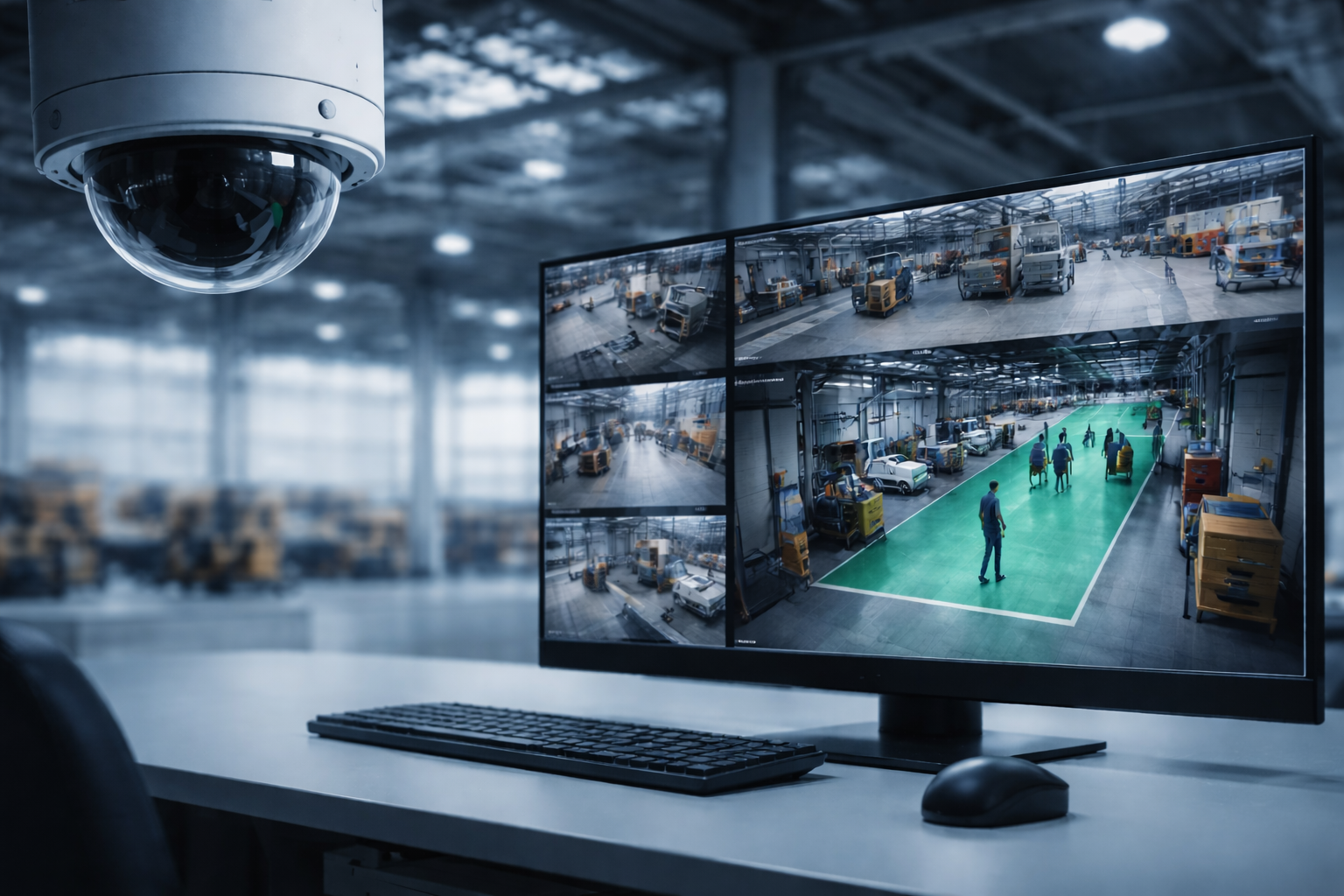
Manufacturing floors, warehouses, and distribution centers have constant movement.
Volumetric detection helps:
- Separate normal flow from abnormal behavior
- Monitor restricted zones within busy areas
- Reduce alert fatigue
2. Safety-Critical Areas
When safety is the priority, missing an event is not acceptable.
Examples:
- PPE compliance zones
- Forklift and pedestrian interaction areas
- Hazardous material zones
Volumetric detection enables real-time awareness of unsafe behavior.
3. Perimeter and After-Hours Monitoring
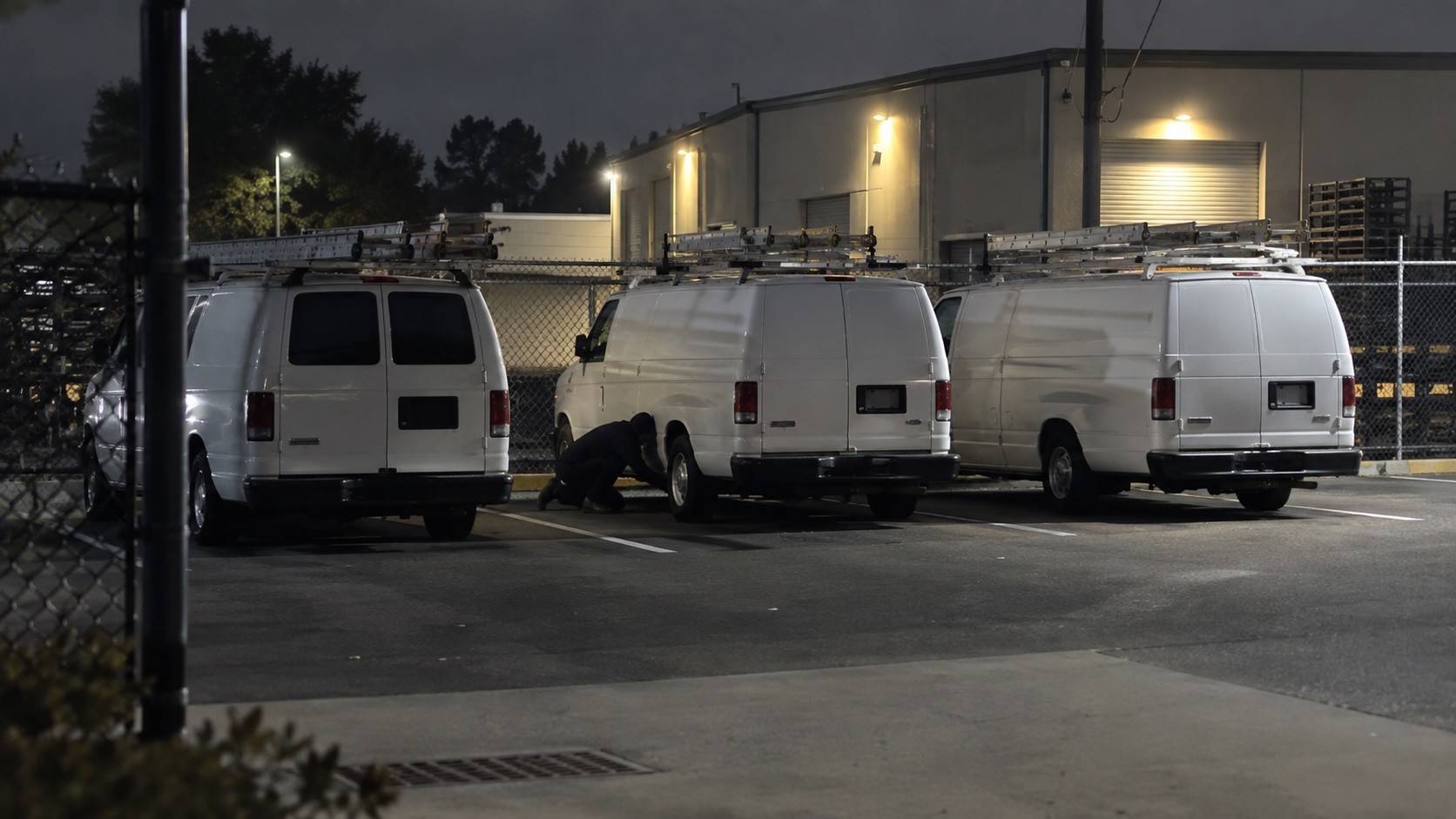
Motion detection often triggers constantly outdoors.
Volumetric detection allows you to define:
- Specific zones of interest
- Directional movement rules
- Loitering detection
This results in fewer false alerts and faster response.
4. Multi-Site Operations
When managing multiple facilities, consistency matters.
Volumetric detection allows:
- Standardized rules across all locations
- Centralized visibility into events
- Faster investigations with better data
5. Environments Where Response Matters
If your goal is prevention, not just documentation, you need better detection.
Volumetric detection supports:
- Real-time alerts
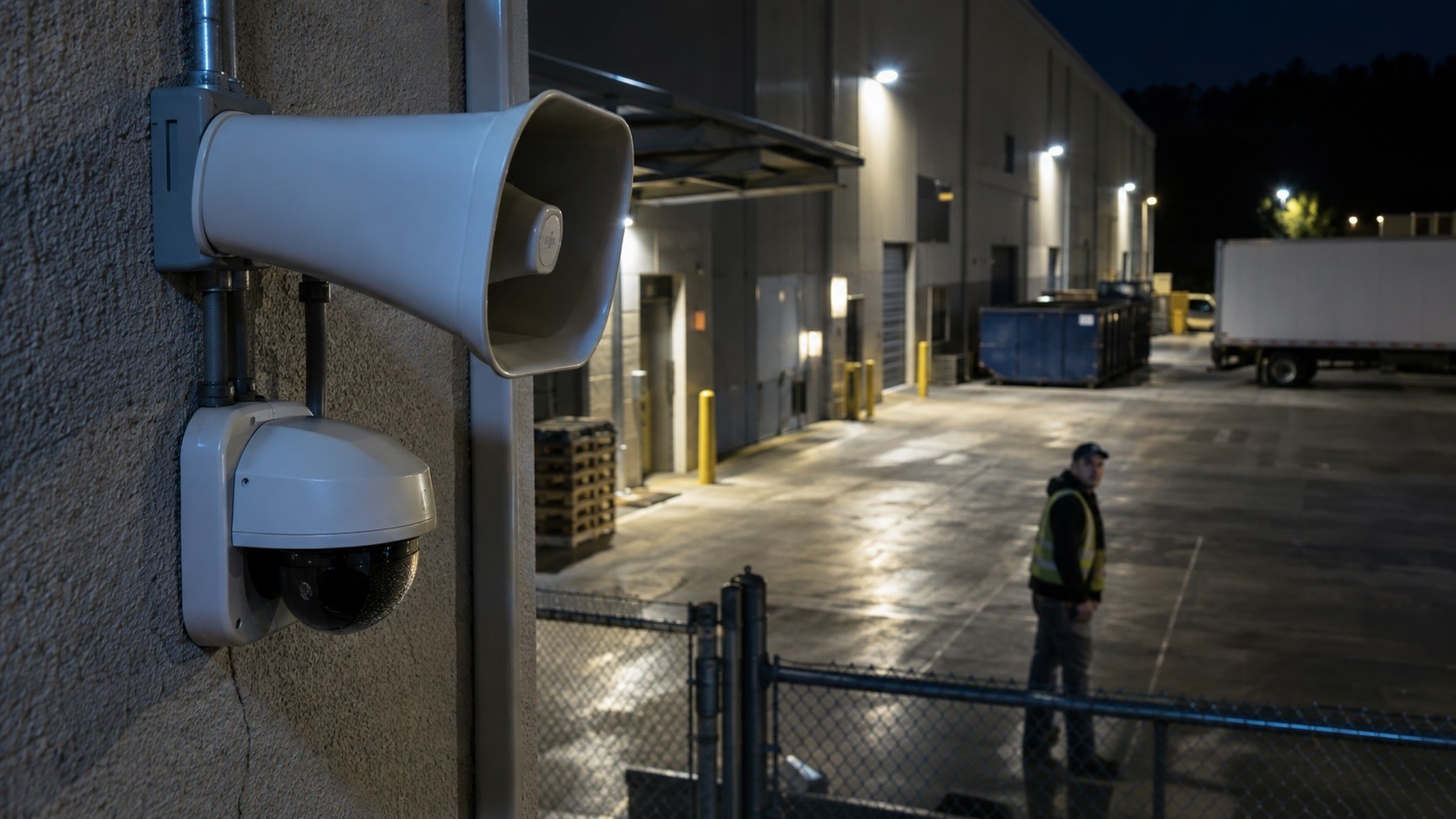
- Integration with intercoms or talk-down systems
- Faster decision-making
Checklist: Signs You Have Outgrown Motion Detection
If you are unsure whether it is time to upgrade, look for these indicators:
- Your team ignores alerts because there are too many false positives
- Investigations take too long because footage is hard to filter
- You cannot define specific zones or behaviors to monitor
- Your system tells you something happened, but not what or why
- You rely on guards or manual review to interpret events
If two or more of these are true, your system is likely holding you back.
From Constant Alerts to Clear Insight on the Production Floor
A multi-site manufacturing company came to Hoosier after repeated safety concerns on the production floor.
They had cameras. They had motion alerts. But they did not have usable insight.
Their challenges:
- Frequent false alerts from constant movement
- No visibility into unsafe behavior in restricted zones
- Delayed investigations after incidents
The system was redesigned with:
- Cloud-managed infrastructure to eliminate server maintenance
- Volumetric detection across key safety zones
- Behavioral rules to identify unauthorized movement
The outcome:
- False alerts dropped significantly
- Safety teams could identify risks in real time
- Investigations that took hours were reduced to minutes
The difference was not more cameras. It was better detection.
FAQ
Q: Is volumetric detection the same as AI video analytics?
A: It is a type of AI-driven analytics. Volumetric detection focuses specifically on understanding activity within defined spaces, often combined with object recognition and behavior analysis.
Q: Can volumetric detection work without cloud systems?
A: It can, but cloud-based systems make it far more scalable and easier to manage. They allow centralized control and faster updates without relying on on-site servers.
Q: Does volumetric detection eliminate false alarms completely?
A: No system eliminates false alerts entirely. But volumetric detection significantly reduces them by applying context, rules, and object awareness.
Q: Is this overkill for smaller facilities?
A: Not always. Even smaller facilities benefit if they have safety risks, restricted areas, or after-hours concerns. The key is applying the right level of analytics to the environment.
Q: How does this integrate with other security systems?
A: Modern platforms integrate volumetric detection with access control, intercoms, and alerting systems. This creates a layered approach where detection leads directly to action.
Stop Managing Noise. Start Getting Real Insight from Your Security System
Managing security without servers is not just about simplifying infrastructure. It is about making your system more reliable and more useful.
If your current system is generating noise instead of insight, the issue is not your team. It is your design.
The best way to understand volumetric detection and cloud-managed security is to see it in action.
Schedule a visit to the Hoosier Security Experience Center and walk through real-world scenarios. Or connect with a Hoosier advisor to evaluate how your current system performs today.
Your system should not just record activity.
It should help you understand it and act on it before something goes wrong.