TL;DR After-hours risk usually starts before the actual break-in. Loitering, perimeter testing, delivery gate tailgating, and repeated access attempts often happen between 10 PM and 5 AM, when no one is watching closely enough to respond. After-hours security monitoring for commercial facilities helps teams catch these events earlier, verify what is happening remotely, and use live operator response through SiteWatch instead of reviewing damage the next morning.Why Is After-Hours the Real Risk Window for Commercial Facilities?
Most facilities feel quiet after business hours.
That quiet is exactly the problem.
Between 10 PM and 5 AM, your property may have fewer employees onsite, fewer tenant eyes on shared areas, fewer delivery staff moving through the lot, and slower response from the people who normally notice something is wrong. For industrial properties, warehouses, logistics sites, dealerships, vacant suites, and multi-tenant buildings, that creates a gap.
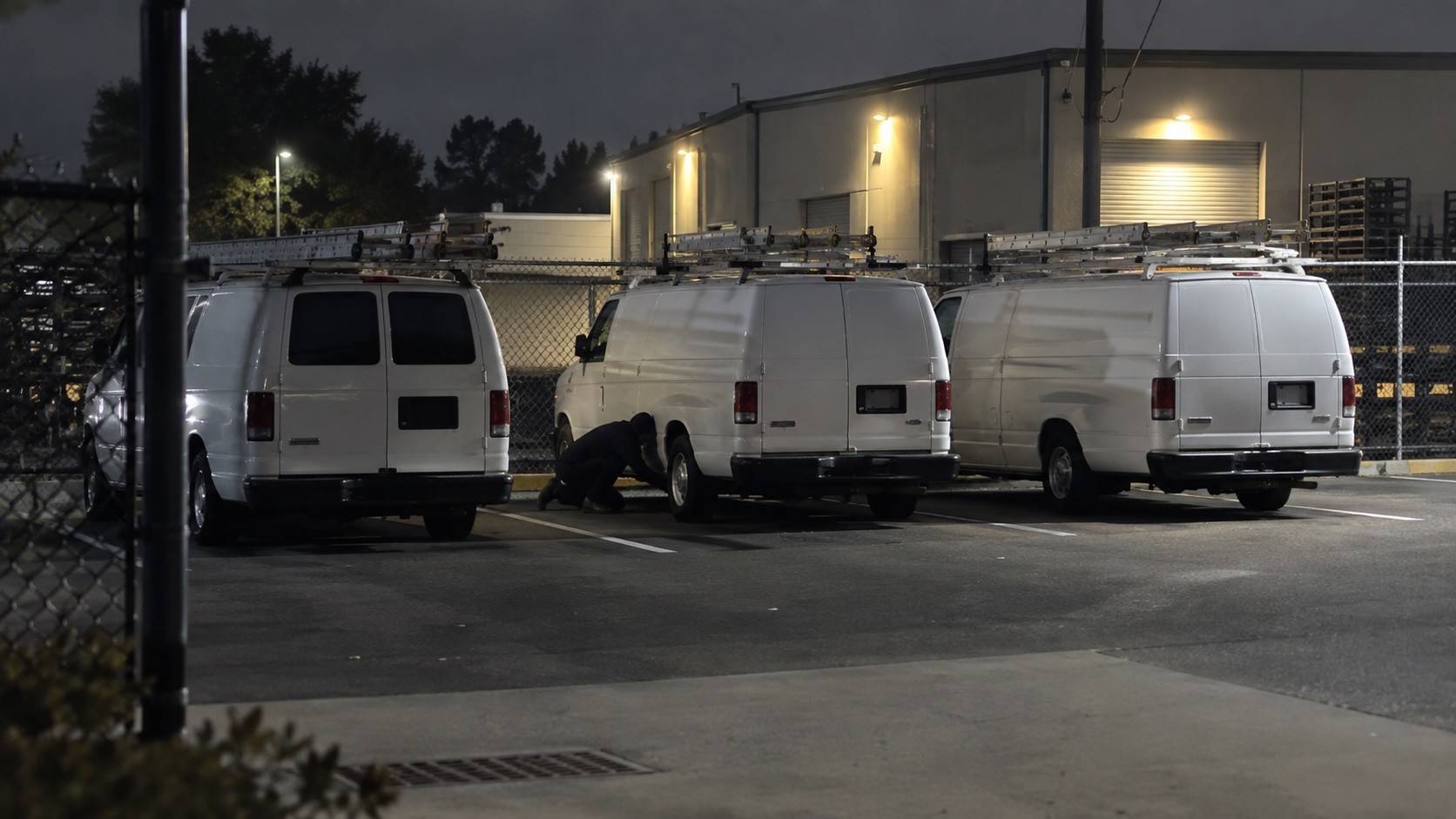
A person walking the fence line at 2 a.m. may not look like a break-in yet. A vehicle circling a loading area may not trigger a traditional alarm. A delivery gate held open for an extra thirty seconds may not seem urgent until another vehicle follows through.
That is why after-hours security monitoring matters. The goal is not just recording what happened. The goal is recognizing risk while there is still time to respond.
The FBI’s UCR historical burglary data reinforces the point. In 2019, reported nonresidential burglaries occurred more often at night than during the day when time of day was known. That does not mean every facility threat happens overnight. It does mean the after-hours window deserves a specific response plan, not a camera system that only helps after the damage is done.
What Do Most Facilities Miss Between 10 PM and 5 AM?
The biggest misses are not always dramatic at first. They are small behaviors that signal something may be developing.
Most facilities miss:
- Loitering near doors, docks, vehicles, fenced storage, or electrical rooms
- Perimeter testing, including checking doors, gates, windows, fences, and lock points
- Tailgating at delivery gates or employee entrances
- Vehicles entering lots repeatedly without a clear business purpose
- People moving between camera blind spots
- Propped doors after late shifts, cleaning crews, or vendor access
- Unauthorized access attempts that do not fully trigger an alarm
- Outdoor asset theft from yards, trailers, dumpsters, containers, or parked work trucks
Traditional cameras capture these events. That is not enough.
A camera that records someone testing a door at 1:37 a.m. is useful during an investigation. A live monitored camera that alerts an operator and triggers an intervention while the person is still onsite can change the outcome.
That is the difference between documentation and prevention.
Are You Alerted Before Tenants Call?
This is the first question every property manager, facility leader, and operations team should ask: Would we know something is happening before a tenant, employee, or neighbor calls us?
In many facilities, the honest answer is no.
The first alert often comes from someone arriving the next morning and finding a broken lock, damaged gate, missing catalytic converter, vandalized dock door, or tenant complaint. By then, your team is already behind. You are pulling footage, calling vendors, managing frustrated tenants, and trying to prove what happened.
After-hours security monitoring for commercial facilities changes that sequence.
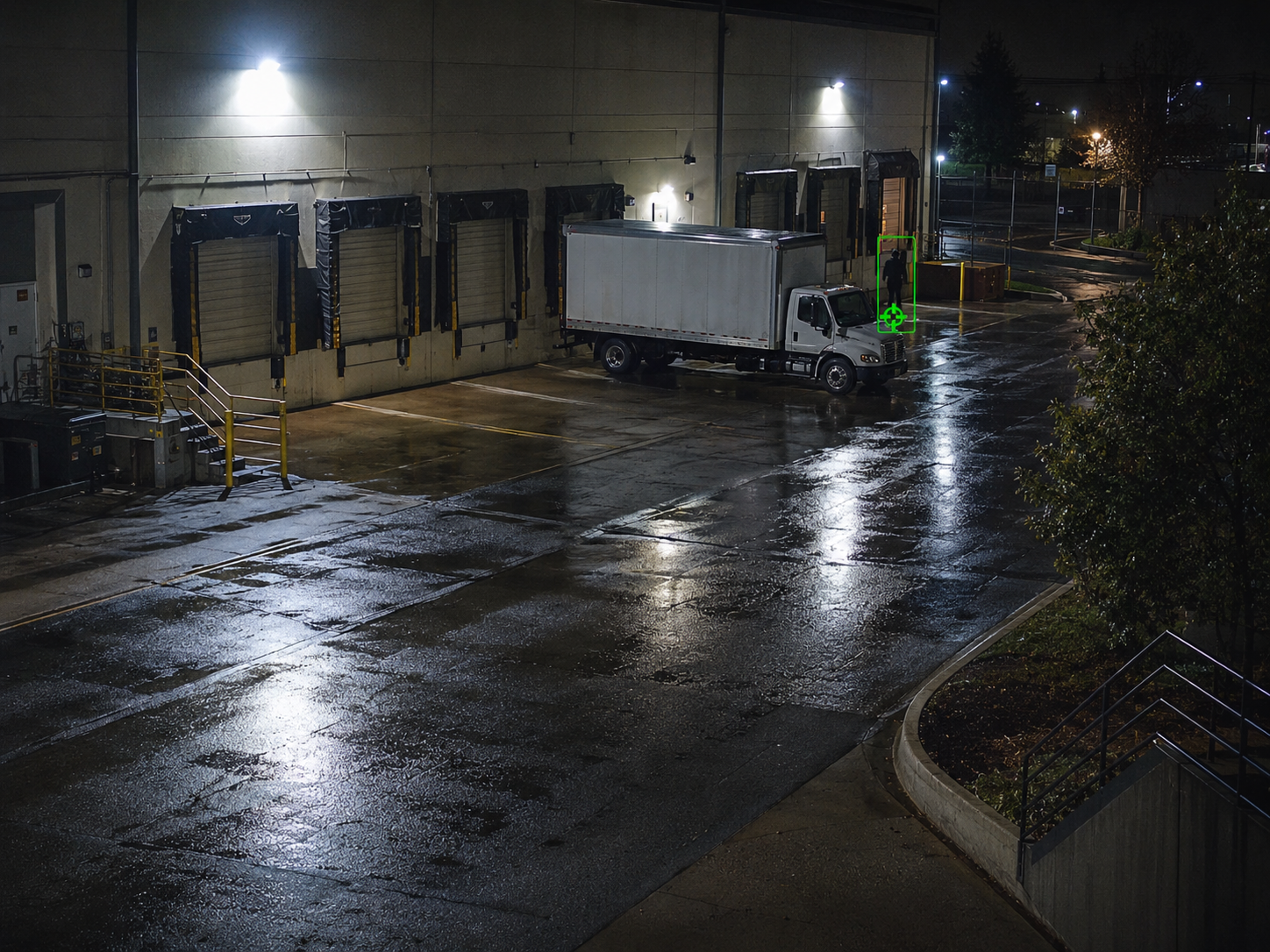
With the right system design, cameras and analytics can identify a person or vehicle in a restricted area after hours. That alert can be sent to a live operator instead of sitting in an inbox or app notification that no one sees until morning.
Platforms like Avigilon Alta and Verkada can support analytics for people, vehicles, unusual motion, line crossing, loitering, and access-related events. When those alerts are tied to a monitored response workflow through SiteWatch or a video verification platform like CHEKT, your system becomes more than a recorder.
It becomes an early warning system.
Can You Verify the Problem Without Going Onsite?
The second question is just as important: Can someone verify what is happening without driving to the property?
After-hours calls are frustrating because they usually create uncertainty. A motion alert may be a person, animal, shadow, blowing trash, or a real threat. A gate alarm may be a vendor leaving late or someone entering without authorization. A door event may be harmless or serious.
Without video verification, someone usually has to guess.
That creates two bad options. You either overreact and send people or police unnecessarily, or you underreact and hope it can wait until morning.
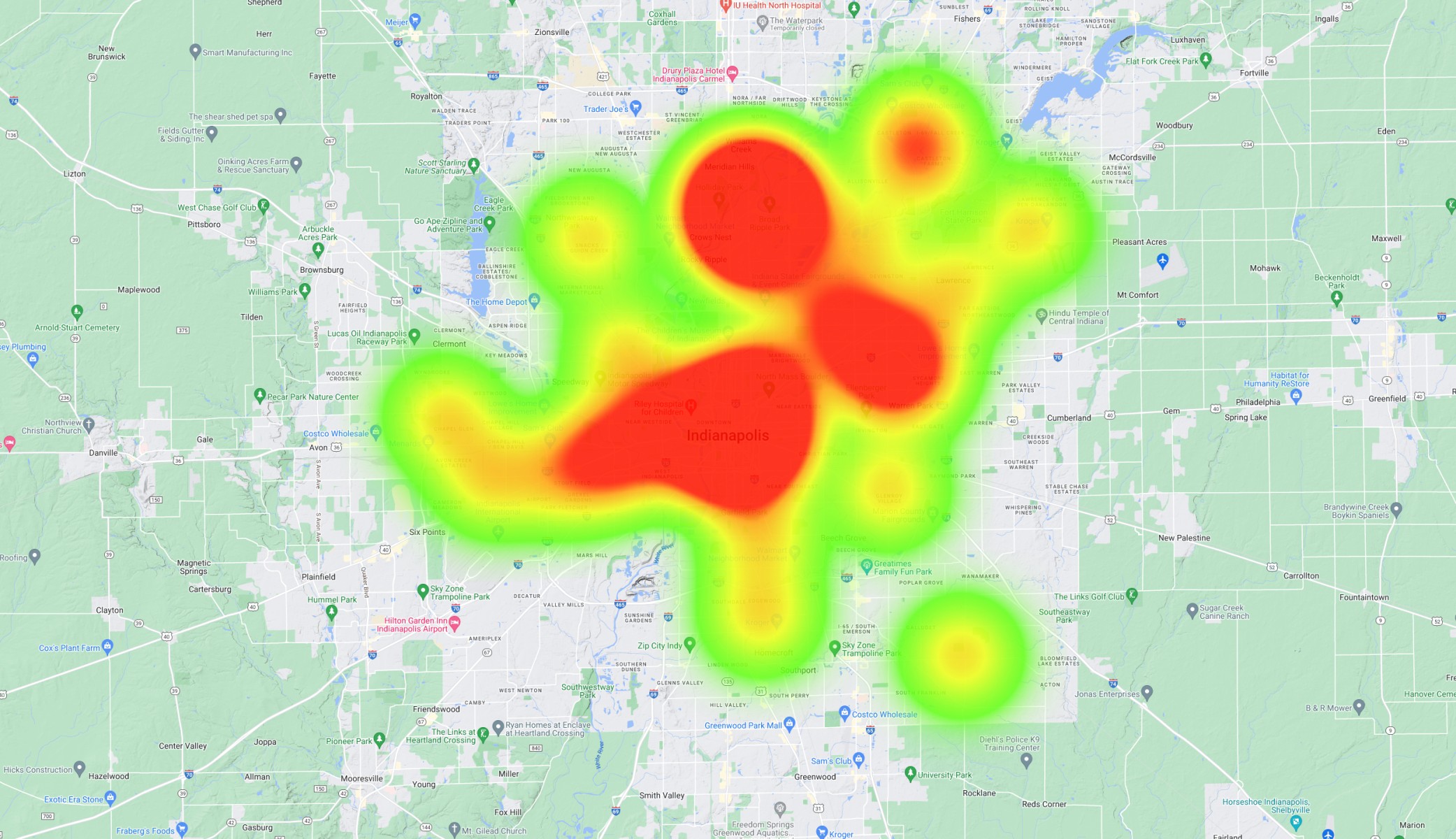
Remote video monitoring in Indianapolis and across the Midwest should remove the guesswork. With SiteWatch, live operators can visually confirm what caused the alert and follow the response plan. That may include live audio intervention, contacting the right manager, notifying a tenant contact, or dispatching authorities when the event is verified.
That matters because after-hours security is not just about seeing activity. It is about knowing what to do next.
Are Your Cameras Actively Monitored or Just Recording?
The third question is the one most facilities avoid: Is the property actively monitored after hours, or are the cameras only recording?
There is a big difference.
A recorded camera helps you answer, “What happened?”
An actively monitored camera helps you answer, “What is happening right now, and who is responding?”
That distinction matters most during the overnight window. At 8 a.m., your team can review clips, download footage, send emails, file reports, and open a service ticket. But at 2 a.m., the real question is whether anyone can intervene while the person is still there.
SiteWatch gives Hoosier Security customers a human response layer. Actual operators can review live video events and respond based on the situation. That is a different level of protection than relying on a recording that someone checks after the damage is done.
For commercial and industrial facilities, live monitored cameras for business are especially useful in areas where a traditional intrusion alarm may not be enough. Examples include exterior yards, shared lots, delivery lanes, truck courts, vacant tenant suites, fenced storage areas, loading docks, and exterior utility spaces.
These are the places where risk often starts before a door is forced open.
Where Does After-Hours Risk Usually Start?
Most after-hours incidents do not begin at the front door.
They begin at the edges.
That may be the back fence, a dark corner of the parking lot, a shared loading area, an employee entrance, a side gate, or a vacant suite that looks inactive. These areas are easy to overlook because they are not always the primary entrance points during the workday.
For industrial property after hours, the most common risk zones include:
- Delivery gates
Tailgating can happen when one authorized vehicle enters and another follows before the gate closes. - Loading docks
Dock areas often have equipment, trailers, pallets, dumpsters, and building access points. - Vacant suites
Empty tenant spaces can attract trespassing, vandalism, or unauthorized access attempts. - Fence lines and yard storage
Outdoor assets, trailers, materials, and vehicles are exposed after business hours. - Employee entrances
Shift changes, cleaning crews, and vendors can create access control gaps. - Shared parking lots
Vehicle break-ins, loitering, and suspicious activity often start in common areas. - Utility and mechanical areas
Copper, tools, equipment, and building systems can become targets.
The solution is not always more cameras. It is better coverage, smarter alerting, and a response plan that works when no one from your team is onsite.
How Do Live Operators Change the Outcome?
A live operator changes the response from passive to active.
Without live monitoring, a person can walk around a property, test doors, damage a gate, and leave before anyone knows. Your team may have footage, but footage does not stop the incident.
With live monitoring, the sequence can look different:
- A person enters a restricted area after hours.
- Analytics identify the activity and trigger an alert.
- A live operator reviews the video event.
- The operator confirms whether the activity is suspicious or authorized.
- The operator follows the response protocol.
- The site receives intervention, notification, or dispatch based on the event.
That response can be enough to deter the person before the incident escalates.
This is where SiteWatch becomes valuable. The technology detects and verifies. The human response makes the system practical. Your team does not have to wake up, log into a camera system, guess what they are seeing, and decide whether to drive across town.
The operator response is already part of the plan.
What Platforms Can Support After-Hours Security Monitoring?
The right platform depends on the property, the camera layout, the risk areas, and the response expectations. Hoosier Security designs the system around the problem first, then matches the platform to the workflow.
Common tools may include:
SiteWatch Video Monitoring
SiteWatch adds live operator review and response to after-hours activity. This is especially useful for outdoor areas, industrial properties, vacant sites, and businesses that need verified response instead of simple motion alerts.
CHEKT Video Verification
CHEKT can help connect video events to monitoring workflows so operators can verify activity and respond with better context. This is useful when a facility wants to reduce false alarms and improve police dispatch quality.
Avigilon Alta Analytics
Avigilon Alta can support cloud-based video analytics, including people, vehicle, object, and unusual motion detection. These analytics help filter noise and identify events that deserve attention.
Verkada Intrusion and Analytics
Verkada can connect cameras, alarms, access control, and analytics in one platform. For after-hours use cases, that can include alerts for people, vehicles, loitering, line crossing, door events, and intrusion-related activity.
The platform matters, but the workflow matters more.
A good after-hours system should answer three questions quickly:
- What happened?
- Is it real?
- Who is responding?
After-Hours Security Monitoring Checklist
Use this checklist to evaluate whether your facility is prepared for the 10 PM to 5 AM risk window.
Alerting
- Do you receive alerts before tenants or employees call?
- Are after-hours alerts routed to someone who is actually available?
- Can your system tell the difference between a person, vehicle, animal, or general motion?
- Are alerts set up for restricted areas, not just doors?
- Are alert schedules aligned with tenant hours, delivery windows, and shift changes?
Verification
- Can someone verify the event without going onsite?
- Can operators see live or recent video tied to the alert?
- Do camera views clearly show faces, vehicles, gates, doors, and direction of travel?
- Are there blind spots around docks, fence lines, and shared lots?
- Is there a clear process for determining whether an event is authorized?
Response
- Is the property actively monitored after hours?
- Is there a written response protocol for operators?
- Can operators use live audio intervention where appropriate?
- Does the response plan include tenant contacts, property contacts, and dispatch instructions?
- Does your team review incidents and adjust rules after repeated activity?
System Health
- Do you know when a camera goes offline?
- Are after-hours cameras positioned for usable evidence, not just general visibility?
- Are gates, access control, alarms, and cameras working together?
- Can your system support multiple properties without creating separate workflows at every site?
If several of these answers are unclear, the risk is not just the overnight incident. The risk is finding out too late that your system was not built to respond.
The Gate That Looked Fine Until 2 A.M.
A multi-tenant industrial property may have a controlled delivery gate that works perfectly during the day. Trucks come in, vendors leave, tenants move product, and the system feels normal.
After hours, the same gate becomes a weak point.
A vehicle pulls in behind an authorized driver before the gate fully closes. The second vehicle does not force entry, so a traditional alarm may not activate. The person parks near the rear of the property, walks toward a loading area, and starts testing doors.
A basic camera system records it.
A live monitored system can respond to it.
With analytics tied to SiteWatch, the person or vehicle can trigger an after-hours alert. A live operator can verify the activity, use audio intervention if the site is equipped for it, contact the appropriate property contact, and dispatch authorities when needed.
That is the practical difference.
One system gives you evidence the next morning. The other gives you a chance to stop the situation while it is still unfolding.
What Should Property Managers and Facility Teams Do Next?
Start with the three questions from the after-hours risk category:
- Are you alerted before tenants call?
- Can you verify what happened without going onsite?
- Are your cameras actively monitored, or are they just recording?
These questions expose the real gap.
A facility may have cameras, access control, intrusion detection, and lighting, but still lack a reliable after-hours response plan. That is usually where risk turns into damage, tenant frustration, and liability exposure.
Hoosier Security helps commercial and industrial teams close that gap with practical system design, SiteWatch live operator response, video verification, analytics, and integrated platforms that support real-world response.
Not theory.
Not a pile of alerts.
A working plan for the hours when your property is most exposed.
FAQ
What is after-hours security monitoring for commercial facilities?
After-hours security monitoring uses cameras, analytics, alarms, and live operators to detect and respond to suspicious activity when the facility is closed or lightly staffed. The goal is to verify events and intervene before a situation becomes a break-in, tenant complaint, or damage claim.
For commercial and industrial properties, this is especially important around gates, docks, yards, parking lots, vacant suites, and shared access points.
How is live video monitoring different from regular security cameras?
Regular security cameras record activity so you can review it later. Live video monitoring adds a response layer. When an alert is triggered, an operator can verify the event and follow a response plan.
That may include audio intervention, contacting a property manager, notifying a tenant contact, or dispatching authorities when the event is verified.
What types of after-hours activity can analytics detect?
Modern video analytics can help detect people, vehicles, loitering, line crossing, unusual motion, and activity in restricted areas. Platforms like Avigilon Alta and Verkada can support rules that help facility teams focus on meaningful events instead of reviewing hours of footage.
The key is configuring analytics around the property’s real risk areas, not just turning on every alert.
Is remote video monitoring useful for industrial properties?
Yes. Remote video monitoring is especially useful for industrial properties because many risks happen outside the building. Truck courts, loading docks, fenced yards, storage areas, employee entrances, and vacant suites can all create after-hours exposure.
Live monitoring helps teams verify activity without sending someone onsite for every alert.
Can SiteWatch help reduce false alarms?
Yes. SiteWatch helps by adding visual verification before response. Instead of treating every motion event the same, operators can review what caused the alert and determine whether the activity appears legitimate, suspicious, or urgent.
That helps reduce unnecessary dispatches while improving response to verified events.
When should a business consider live monitored cameras?
A business should consider live monitored cameras when it has after-hours activity, outdoor assets, tenant complaints, repeated trespassing, vehicle break-ins, gate issues, vacant space, or locations where police dispatch needs better verification.
Live monitoring is also valuable when managers do not want to be the first call every time something moves on camera overnight.
See How After-Hours Events Get Handled before Morning
Your facility does not need more footage no one watches until morning.
It needs a clear after-hours response plan.
Book a Hoosier Security Experience Center session to see how SiteWatch, video analytics, intrusion alerts, access control, and live operator response can work together for your property. In a 45-minute walkthrough, you can see how after-hours events are detected, verified, and handled before they become tomorrow morning’s problem.
Schedule your Experience Center session with Hoosier Security.