TL;DR In this article you’ll learn (1) why the backlash against police surveillance technology is really a backlash against poor governance, not the technology itself, (2) what a properly controlled and governed deployment looks like, and (3) why keeping these systems maintained is the problem most agencies underestimate. These insights help law enforcement and municipal leaders deploy the tools they legitimately need without the exposure that has cost other agencies their contracts and their credibility.
Why Is There So Much Backlash Against Police Surveillance Tech Right Now?
Law enforcement agencies need these tools. That part has not changed.
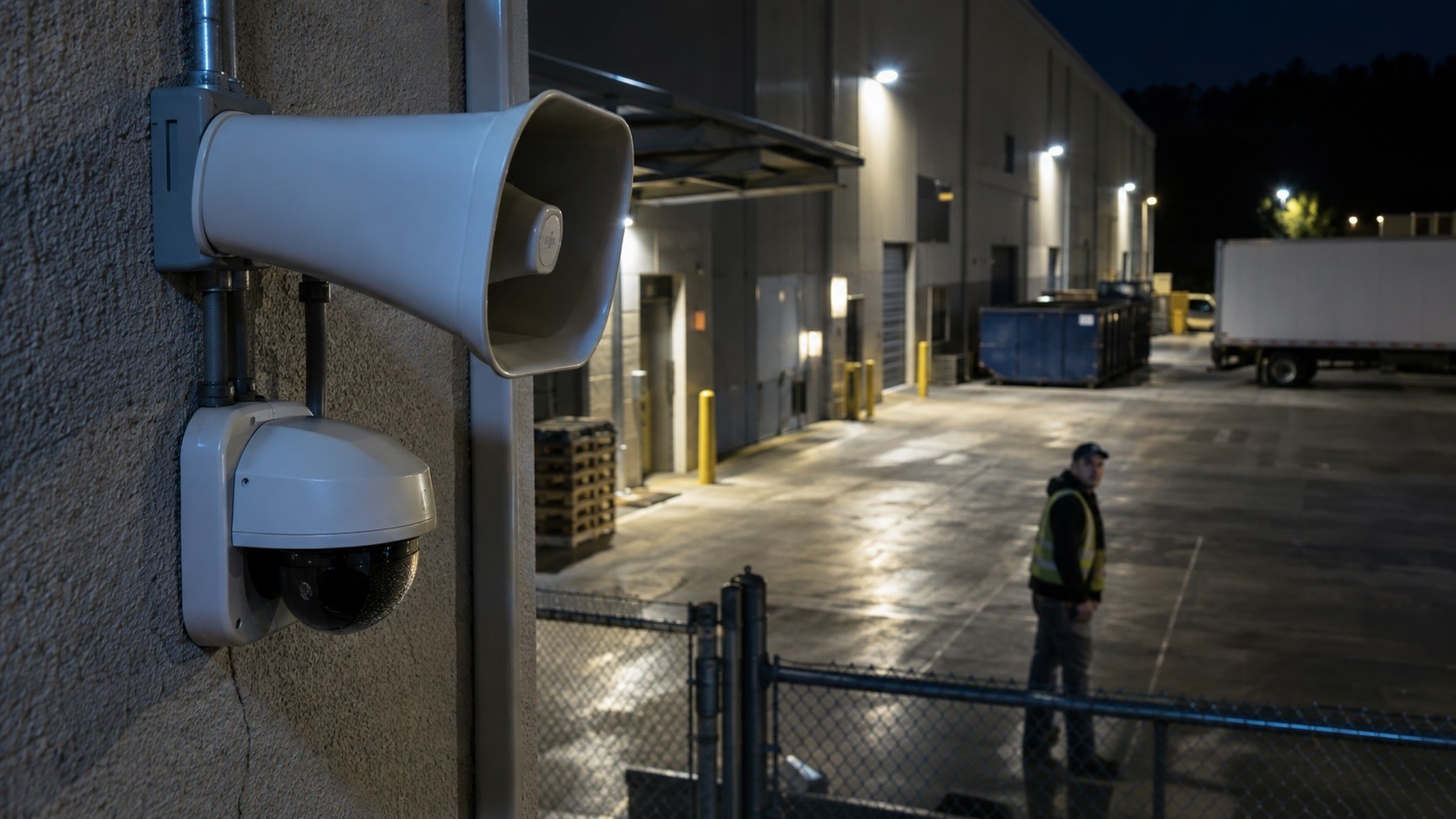
Automated license plate readers, fixed cameras, and AI-driven detection help officers solve cases, recover vehicles, respond to incidents in progress, and protect public spaces. The demand is real and the results are real. Walking away from the technology is not the answer, and the agencies under pressure to do exactly that are being asked to give up capability that genuinely keeps communities safer.
So why the firestorm?
Because of how some of this technology was deployed and governed, not because of what it does. Through 2025 and 2026, Flock Safety became the center of a national controversy over its ALPR network. Reporting documented agency data flowing across a nationwide system, in some cases through sharing settings agencies did not know were active. The Washington Post identified dozens of cases of officers misusing the technology, and civil-liberties groups raised repeated concerns about data reaching federal and out-of-state agencies. City councils that had approved a local public safety tool found themselves explaining to angry residents how their data had traveled.
That is a governance failure, not a technology failure. The cameras worked. The problem was that nobody at the agency could say who was accessing the data, under what authority, or how to stop it.
The lesson for any agency buying in 2026 is not “don’t buy.” It is “don’t buy a system you can’t govern.”
Do Flock’s New Reforms Fix the Problem?
In August 2026, under mounting pressure, Flock announced a set of changes: a shorter default data-retention window, mandatory audit tools, required case numbers for searches, automatic lockouts for abnormal activity, and more. Those changes are worth noting, because they are an admission that the original model was a problem.
But bolt-on reforms are not the same thing as an architecture built for agency control from the start. Civil-liberties groups were quick to point out the gap: the ACLU called the changes largely insufficient, and critics noted that many of the new safeguards only work if each individual customer turns them on and configures them correctly. A safeguard you have to remember to enable is a very different promise from a system that was designed to keep the agency in control by default.
For a buyer, that is the real question. Not “did the vendor announce reforms,” but “is control built into how this system works, or bolted on after the backlash?”
What Does a Properly Governed Surveillance System Actually Look Like?
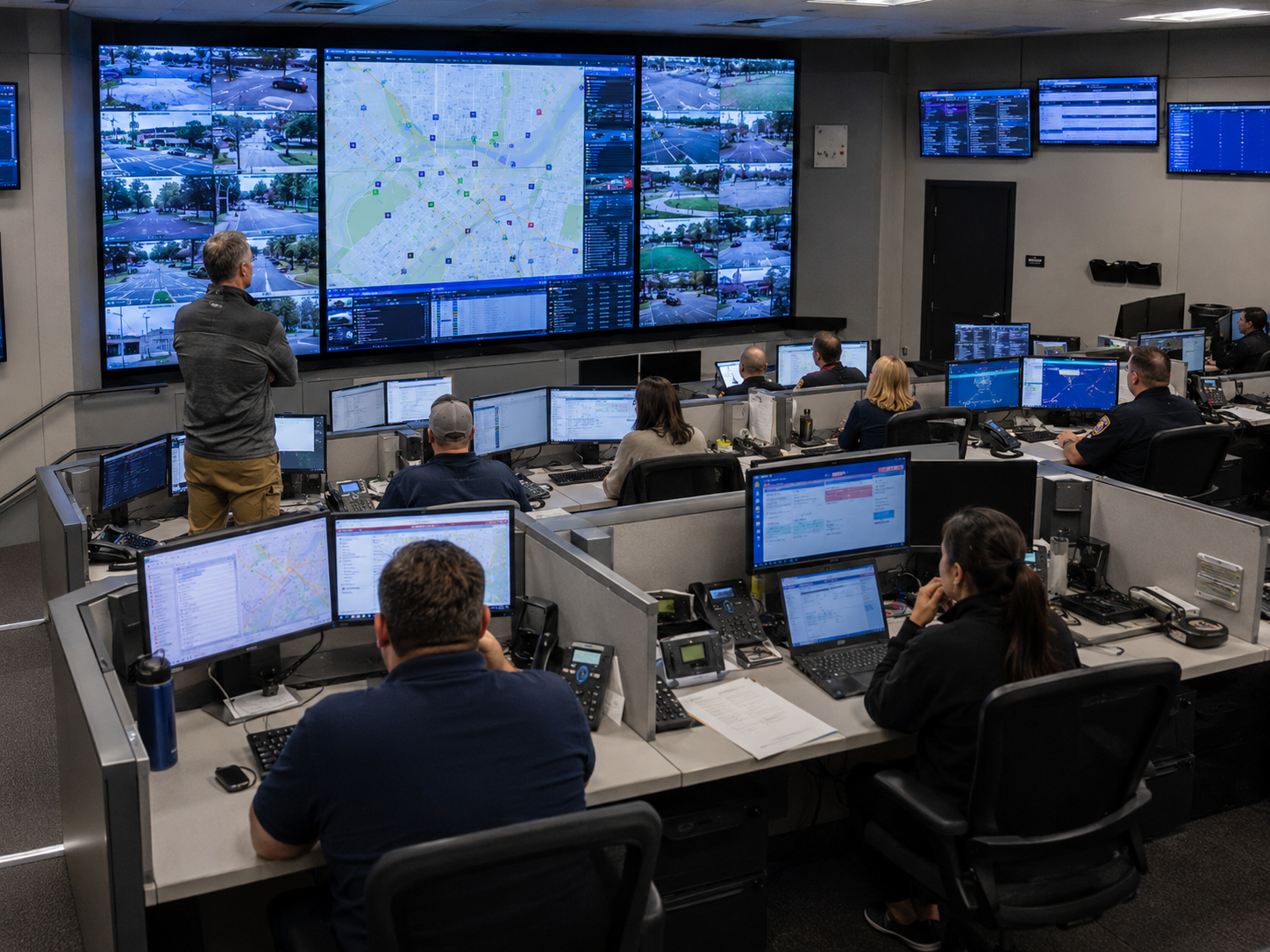
A properly governed system gives the agency control over access and a record of it. Every search, every export, every grant of access is something the agency authorizes and can later account for.
That is the line between a tool and a liability. When a council member, a journalist, or a court asks who looked at the data and why, a well-governed system produces the answer. A poorly governed one produces a scandal.
The core elements an agency should expect:
- Access control the agency holds. The agency decides who gets in, at what permission level, and that authority does not quietly extend to outside parties by default.
- A complete audit trail. Every access is logged. The agency can produce a full record of who searched what, when, and for what stated reason.
- Sharing and integrations the agency turns on, not inherits. Any connection to another system or database should be a setting the agency knowingly enables, can verify, and can switch off.
- Retention the agency sets. The agency controls how long data is kept, in line with its own policy and the law.
- Cybersecurity built in. The platform should meet a serious security standard, because a public safety system is a high-value target and a breach is its own civil-liberties failure.
This is where a modern, purpose-built platform separates itself. When Santa Barbara moved off Flock in August 2026, its police department described the replacement Verkada system in exactly these terms: a city-owned, department-controlled system where the department keeps exclusive control over configurations, permissions, retention, and administration. That is the standard to hold any vendor to.
Isn’t Verkada Just Another Version of the Same Thing?
It is a fair question, and it deserves a straight answer. Some critics argue that ALPR is ALPR no matter whose logo is on the camera, and that every vendor in this space, Verkada included, carries the same risks. It is true that no surveillance technology is free of tradeoffs, and any agency buying any of these tools takes on responsibility for how they are used.
But “same category” is not “same system.” The meaningful difference is whether the agency holds the controls and can account for what happens. The failures that drove the backlash were failures of secrecy and lost control: sharing nobody approved, access nobody logged, settings nobody disclosed. A platform architected so the agency governs access, logs every search, and decides what connects to what is addressing those specific failures head-on.
What about federal databases and outside integrations?
This is worth being direct about, because it is where the “they’re all the same” argument usually lands. Modern platforms can integrate with outside systems, including federal databases like NCIC and other law-enforcement tools. That is not the same as a vendor quietly pooling your data into a national network by default. The distinction that matters is control: a lawful, agency-authorized, logged connection that the agency chose to enable, can audit, and can turn off is a categorically different thing from data sharing that happens in the background without the agency’s knowledge.
The same Santa Barbara county example makes the point. The county sheriff’s office kept using its system by deliberately disabling the national-lookup feature to comply with California law, then verified through audit logs that it stayed off. That is what agency control looks like in practice: the capability exists, and the agency, not the vendor, decides. A good integrator makes sure you know which connections are available, which are on, and how to prove it.
That is the smarter way to do this. Not retreat, and not the unaccountable model that blew up in other cities. A capable tool the agency actually controls, configured and governed on purpose, deployed by a partner who sets it up that way from day one.
Why Is Keeping These Systems Running the Problem Nobody Talks About?
Here is the part that does not make headlines but wrecks more deployments than the privacy fights do.
Agencies cannot keep these systems maintained.
A camera network or an ALPR deployment is not a buy-it-once purchase. Firmware needs updating. Security patches need applying. Cameras drift out of focus, lose connection, fill storage, or quietly stop recording. Analytics need tuning. A system that was healthy at install degrades month by month, and the failure is invisible until the day an officer pulls footage for a case and it is not there.
Most agencies do not have the IT depth to stay ahead of this. Sworn personnel are not network administrators. The result is a multi-year investment that slowly stops working, and nobody notices until it matters most. Worse, an unpatched, unmonitored surveillance system is also a security liability, which is its own governance problem.
This is the operational gap a real service agreement closes. Hoosier Security’s service program keeps the system patched, secured, monitored for health, and actually functioning across its full life, not left to rot after the install crew leaves. For a law enforcement buyer, that is often the difference between a system that holds up in court and one that fails the one time it counts.
When you evaluate a public safety technology purchase, the maintenance plan is not a line item to trim. It is what determines whether the system is still doing its job in year three.
When Does a Mobile Surveillance Trailer Make Sense for an Agency?
A mobile surveillance trailer is one of the strongest tools available to an agency right now, because it is fast, visible, and deployable exactly where a problem is happening.
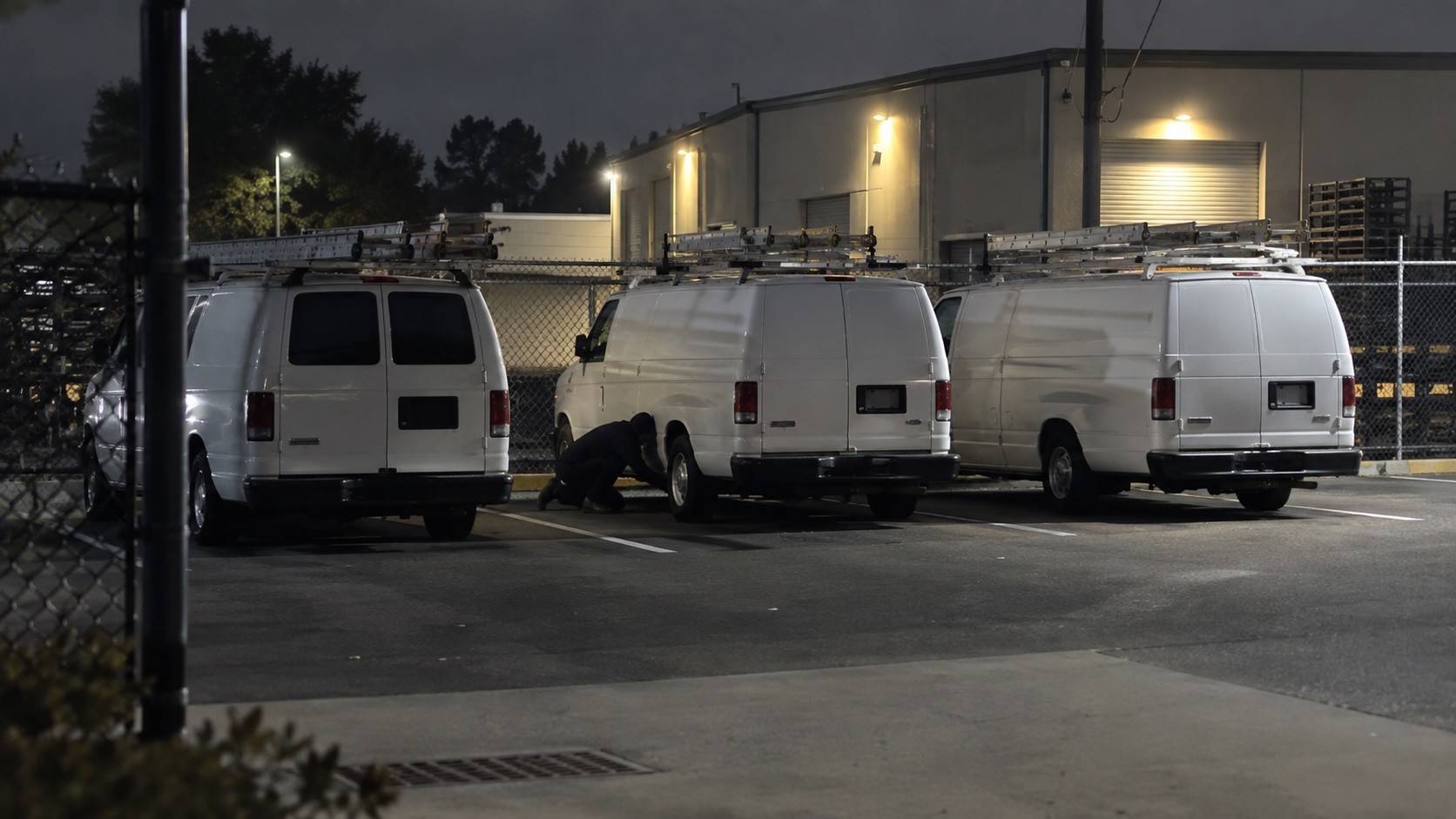
When a specific location flares up, a rash of vehicle break-ins, repeat activity at a park or transit stop, dumping on a service road, a trailer puts coverage on the ground in days instead of the months a permanent installation takes. It creates immediate deterrence, supports active investigation, and gives command staff a flexible asset they can reposition as conditions change.
A trailer is a strong fit when:
- There is an immediate, location-specific problem that cannot wait for permanent infrastructure
- The agency needs visible deterrence as much as evidence collection
- A site needs to be evaluated before committing to permanent cameras
- Coverage is tied to an event, a season, or a temporary hot spot
- Command wants an asset it can move as patterns shift
The trailer also does quieter work: it shows the agency what it actually needs at a location before anyone commits permanent budget. A few weeks of coverage often reveals that one well-placed permanent camera will do more than a scattered handful would have.
Real Example: From Hot-Spot Trailer to a System That Held Up
Picture an agency facing repeated overnight break-ins at a commuter lot. The pressure to act is high, and the easy move is to rush permanent cameras into the ground and hope they help.
Instead, the agency deploys a mobile surveillance trailer at the lot. Over a few weeks the footage shows the activity clustering at one dim entrance, following a repeat vehicle pattern that gives investigators a real lead. The permanent plan then writes itself: a camera placed precisely where it matters, better lighting, and a design built around what the data actually showed.
Then comes the part that determines whether it lasts. The system goes onto a service agreement. Firmware stays current, storage and connectivity stay healthy, and the cameras are verified as recording rather than assumed to be. A year later, when investigators pull footage for an unrelated case at the same lot, the video is there and it is usable. The deployment did not quietly degrade into an expensive prop. It was governed, maintained, and ready.
That is the full picture: the right tool, controlled properly, and kept working.
What Should an Agency Ask Before Signing a Surveillance Contract?
The time to protect your agency is before the purchase order is signed. Use this checklist for any camera system, ALPR program, or surveillance trailer.
The Law Enforcement Surveillance Buyer’s Checklist
- Access authority. Does your agency control who can access the system and at what level, without that authority extending to outside parties by default?
- Audit trail. Can you produce a complete record of who accessed the data, when, and for what stated purpose?
- Integrations and external connections. Which outside systems or databases can this platform connect to, including federal databases? Which are on by default, who controls them, and can you verify through audit logs that a connection is off when you turn it off?
- Sharing controls. Is data sharing a deliberate, recorded decision, or can it happen through a background setting?
- Will the vendor tell you, clearly and in writing, every way data can leave or be reached, with no hidden modes?
- Does your agency set the retention policy in line with its own rules and the law?
- Cybersecurity standard. What security certifications and protections does the platform carry, and how are vulnerabilities handled?
- Who keeps the system patched, healthy, and verifiably recording across its full life? Is that in the contract or left to you?
- Evidentiary integrity. Can you trust that footage will be available and usable when a case depends on it?
- Integrator independence. Is your integrator certified across multiple platforms and willing to tell you where each one fits, or are they selling the single stack they represent?
That third question matters more than buyers expect right now. The systems that got agencies in trouble were not the ones where the agency understood exactly what connected to what. They were the ones running on defaults nobody had examined. Asking the question is how you stay in control of the answer.
How Should an Agency Think About Doing This the Right Way?
Law enforcement leaders are being handed a false choice: either accept the unaccountable surveillance model that has blown up in other cities, or give up capability they need.
There is a third path, and it is the smart one. Deploy the tools, and deploy them under governance you can defend. Control and audit access so nothing happens in secret. Decide deliberately which integrations are on. Demand real cybersecurity. And put the system on a maintenance program that keeps it working long after the install, so it holds up the day a case depends on it.
That is the version of public safety technology that survives a council meeting, an open-records request, and a courtroom. It is also the version that still works in year three.
A capable platform, controlled properly, and kept healthy by a partner who designs for governance from the start. That is doing this right.
FAQ
Q: Is the backlash a reason for agencies to stop using ALPR and surveillance cameras?
A: No. The backlash is overwhelmingly about governance failures, secret data sharing, undisclosed outside access, and unaccountable searches, not about the technology’s value to legitimate law enforcement. Independent coverage from outlets like GovTech and Fortune traces the controversy to how systems were controlled. The takeaway for buyers is to demand governance and accountability, not to abandon the tools.
Q: Flock announced privacy reforms. Doesn’t that settle it?
A: Flock’s August 2026 changes are an acknowledgment that the original model had problems, which is worth something. But many of the safeguards depend on each customer enabling and configuring them correctly, and civil-liberties groups including the ACLU called them insufficient. The more durable question is whether control is built into how a system works or bolted on afterward.
Q: Isn’t Verkada just another ALPR vendor with the same risks?
A: ALPR is a category, but the systems within it are not identical. The failures that drove the backlash were about secrecy and lost control. A platform where the agency governs access, logs every search, and deliberately chooses which integrations are enabled is addressing those failures directly. When Santa Barbara replaced Flock, its police department described the Verkada system as a city-owned, department-controlled system. No surveillance technology is free of tradeoffs, but control and accountability are the difference that matters.
Q: What about connections to federal databases like NCIC?
A: A: Modern platforms can integrate with outside law-enforcement systems, and that capability can be legitimate and useful. The key is that these connections should be ones the agency knowingly enables, can audit, and can disable, not background sharing the agency never approved. Ask any vendor exactly which integrations exist, which are on by default, and how you can verify the setting. Control and visibility are the standard.
Q: Why does a service or maintenance agreement matter so much for these systems?
A: A: Because surveillance systems degrade quietly. Firmware goes stale, patches go unapplied, cameras lose connection or stop recording, and the failure is usually invisible until footage is needed and isn’t there. An unmaintained system is also a security risk. A service agreement keeps the system patched, secured, and verifiably working across its life, which is often what separates evidence that holds up from a system that silently failed.
Q: What is a mobile surveillance trailer best used for?
A: A: Rapid, repositionable coverage of a specific hot spot, vehicle break-ins, repeat activity at a park or lot, dumping, or event security. A trailer deploys in days, creates visible deterrence, supports investigations, and lets the agency evaluate a location before committing to permanent infrastructure.
Q: How does Hoosier Security help agencies do this the right way?
A: A: Hoosier designs deployments around agency control and accountability, works across multiple platforms including Verkada, and pairs the technology with a service agreement that keeps the system maintained, secured, and functioning for the long haul. We will also tell you plainly where a given platform’s governance model fits a public agency and where it does not.
Compare Public Safety Technology Options Before Committing to One Stack
Before your agency signs another public safety technology contract, get clear on two things: can you govern and audit every access to the system, and who is going to keep it working three years from now.
Hoosier Security can review your current cameras, ALPR programs, trailer deployments, and upgrade plans, and help you build a deployment you can defend, capable technology, controlled properly, and maintained for the long haul.
Schedule a Virtual Experience Center session with Hoosier Security to see what a properly governed public safety system looks like before you commit.