TL;DR After-hours is the highest-risk window for industrial facilities because there are fewer people on site, slower response times, and most systems are not designed to act in real time. In this article, you learn why traditional camera systems fail after hours, what gaps create exposure, and how to fix them with AI detection, defined monitoring zones, and live response tools like talk-down and remote monitoring. The result is a system that does not just record incidents but actively prevents them.Why After-Hours Security for Industrial Facilities Is the Biggest Risk Window and How to Fix It
If you oversee a manufacturing plant, warehouse, or industrial yard, you already know the uncomfortable truth.
Most incidents do not happen during the day.
They happen after hours, when:
- Fewer people are on site
- Oversight is limited
- Response is delayed
- Systems are expected to operate without human backup
The problem is not that facilities lack cameras. Most already have them.
The problem is that after-hours security for industrial facilities is still designed to record, not respond.
That gap is where loss, liability, and frustration show up.
Why Is After-Hours Activity the Highest Risk Window?
During operational hours, your facility has built-in protection:
- Employees present across the floor
- Supervisors and managers actively monitoring activity
- Natural accountability simply from people being present
After hours, all of that disappears.
What remains is:
- Empty buildings or reduced staff
- Open outdoor areas with valuable assets
- Long response times if something goes wrong
This creates the perfect environment for:
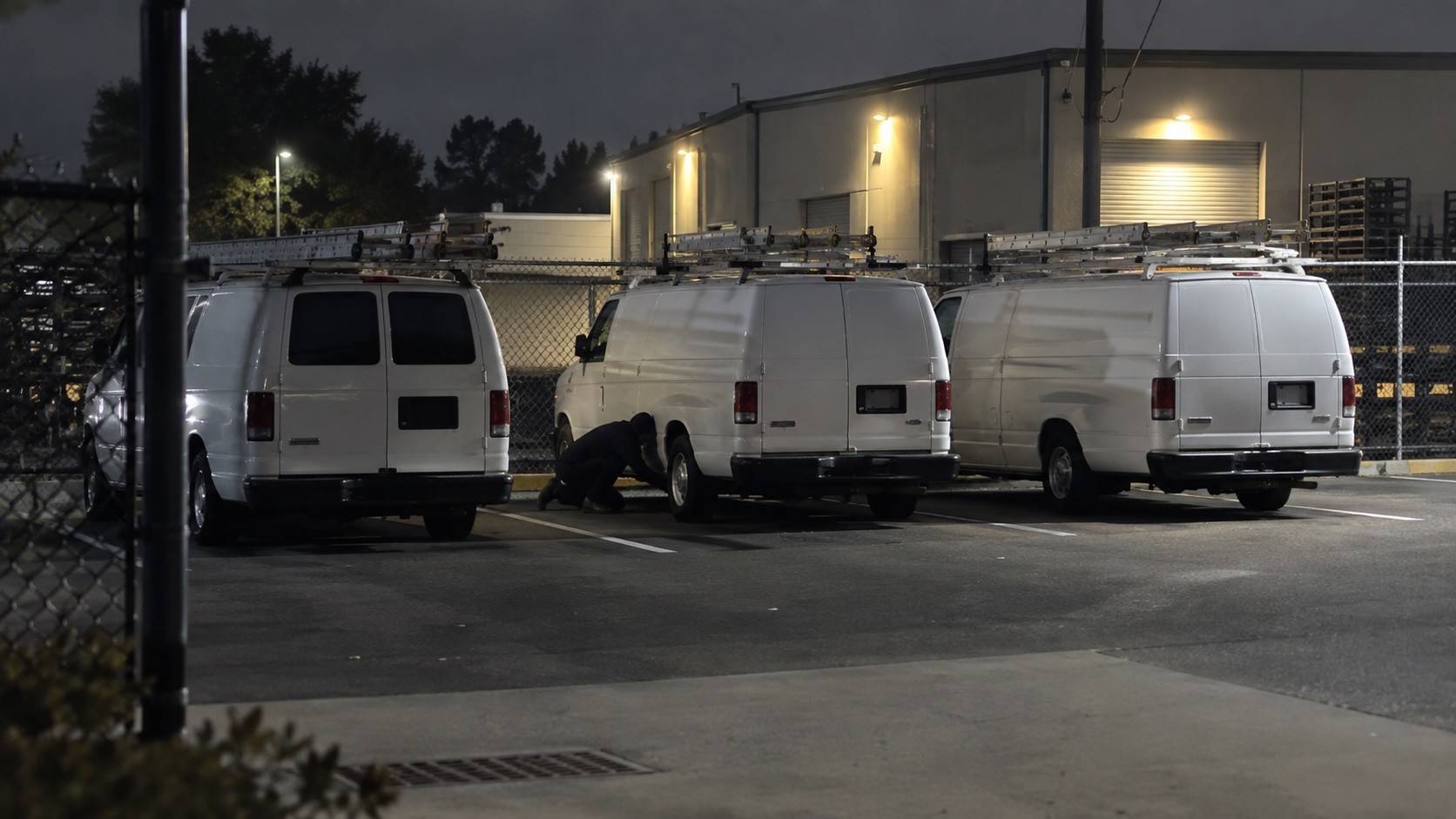
- Theft of materials, tools, or inventory
- Unauthorized access to restricted areas
- Equipment tampering or vandalism
- Safety incidents that go unnoticed
Most facilities assume their system will “catch it.”
It does. But usually after the fact.
Where Do Most After-Hours Security Systems Fail?
The issue is rarely the hardware. It is the system design.
Traditional setups rely on:
- Motion alerts that trigger too often
- Footage that requires manual review
- No clear escalation path when something is detected
That leads to predictable outcomes:
- Alerts get ignored due to false alarms
- Teams only review footage after an incident
- No one intervenes while the event is happening
Common Failure Points
- Cameras without analytics to distinguish real threats
- No presence detection or zone-based monitoring
- No live intervention capability such as talk-down
- No integration between video, access control, and alarms
- No remote monitoring or response support
When these gaps exist, your system becomes passive.
And passive systems do not stop active problems.
What Does Effective After-Hours Security for Industrial Facilities Look Like?
To actually reduce risk, the system must shift from visibility to action.
That means combining:
- AI video analytics to detect behavior, not just motion
- Defined zones for restricted areas, yards, and entry points
- Real-time alerts sent to the right people
- Live response through audio talk-down or monitoring teams
A modern system should be able to:
- Detect a person entering a yard after hours
- Verify if it is authorized or not
- Trigger an alert immediately
- Initiate a response before theft or damage occurs
Checklist: What to Look For
- Behavior-based detection, not just motion
- Perimeter or volumetric detection for outdoor areas
- Integrated access control to verify authorized entry
- Live audio intervention capability
- Remote monitoring or escalation support
- Cloud-based visibility across all sites
This is where platforms like Avigilon Alta, Verkada, and FLIR thermal cameras become valuable. Not because of the brand, but because they support real-time detection and response.
From Recorded Incidents to Real-Time Prevention: How One Facility Stopped After-Hours Theft
A multi-site industrial client came to Hoosier after repeated after-hours theft in their outdoor storage areas.
Their existing setup included cameras across the yard. Incidents were still happening.
The issue was not visibility. It was response.
The system was redesigned with:
- AI presence detection across perimeter zones
- Thermal cameras for low-light conditions
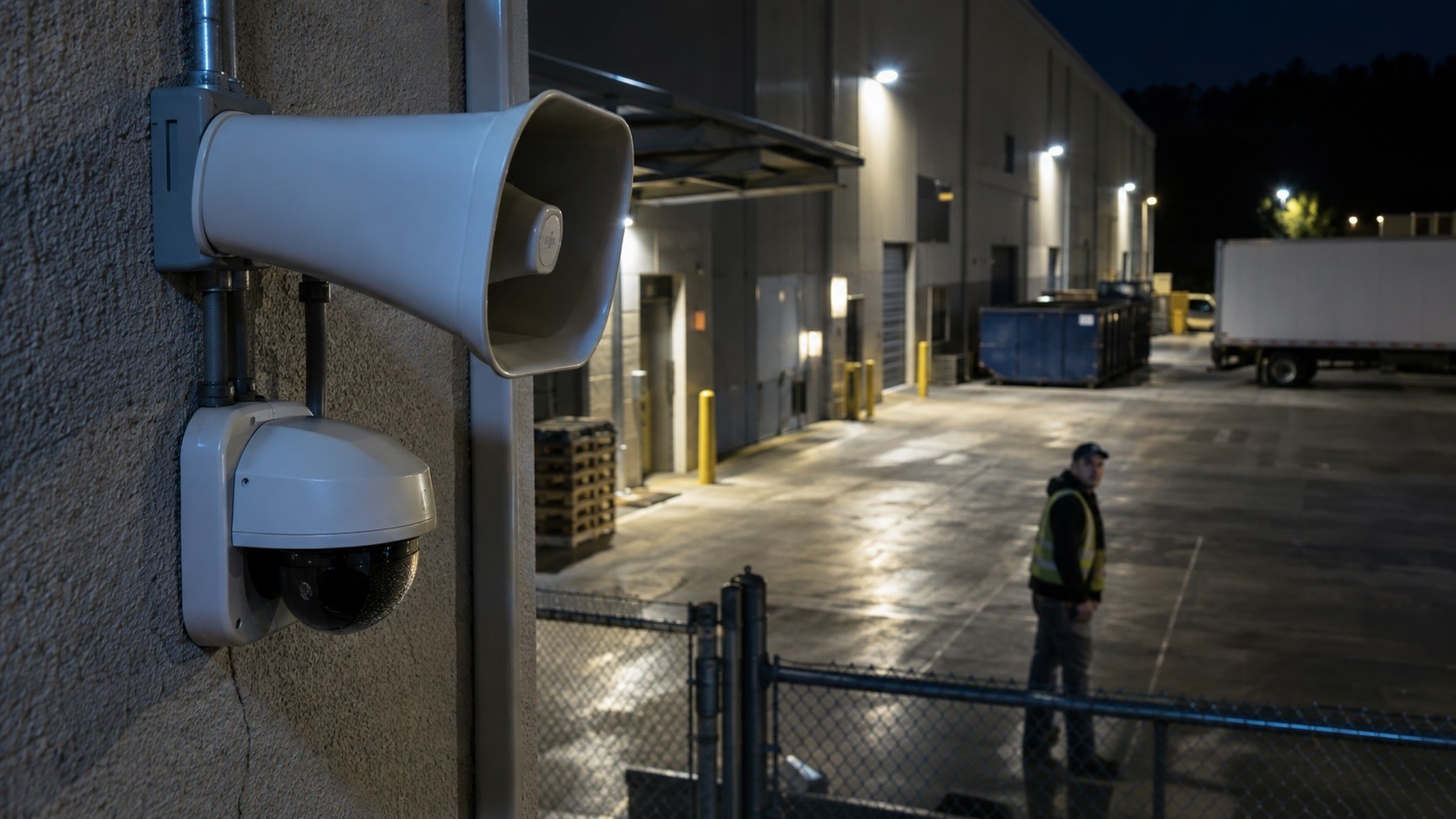
- Live talk-down speakers mounted on poles
- Remote monitoring support during off-hours
Within the first 90 days:
- Multiple after-hours intrusion attempts were stopped in real time
- No successful theft incidents were reported
- The operations team stopped spending hours reviewing footage
Their system did not just capture activity.
It changed behavior.
How Do You Reduce After-Hours Risk Without Adding Complexity?
This is where most teams hesitate.
They assume better security means:
- More systems
- More alerts
- More work
In reality, the opposite is true when the system is designed correctly.
A well-integrated system:
- Reduces noise by filtering irrelevant alerts
- Centralizes visibility into one dashboard
- Automates detection so your team does not have to watch screens
The goal is not more technology.
The goal is a system your team can actually rely on when no one is there.
FAQ
Q: Why do most security incidents happen after hours?
A: After hours, facilities have fewer people on site, limited supervision, and slower response times. This creates an environment where unauthorized activity can go unnoticed or unchallenged.
Q: Are cameras enough to protect industrial facilities at night?
A: No. Cameras alone provide visibility but not prevention. Without analytics, alerts, and response capabilities, they only help you review what already happened.
Q: What is the most effective way to stop after-hours theft?
A: The most effective approach combines AI detection, defined monitoring zones, and real-time response such as live talk-down or remote monitoring intervention.
Q: Do I need a monitoring service or can my team handle alerts?
A: It depends on your staffing model. Many facilities benefit from remote monitoring during off-hours to ensure alerts are acted on immediately without burdening internal teams.
Q: How do I know if my current system is failing?
A: If incidents are discovered after the fact, alerts are ignored, or investigations take too long, your system is not designed for real-time response.
See How After-Hours Security Should Actually Work Before It Fails You
After-hours risk is not going away.
If your system only shows you what already happened, it is not doing enough.
The most effective way to understand how after-hours security for industrial facilities should work is to see it in action.
Schedule a visit to the Hoosier Security Experience Center to walk through real-world perimeter detection, presence detection, and live response scenarios. Or connect with a Hoosier advisor to evaluate how your current system performs when your facility is most vulnerable.
Your operation does not stop when the lights go off.
Your security system should not either.