TL;DR License plate recognition can help law enforcement and municipalities identify vehicles tied to investigations, but LPR alone does not tell the whole story, and it does not run itself. A strong public safety camera system pairs LPR with context video, mobile trailers, and real-time alerts, keeps the agency in control of its own data, and stays maintained so it still works when a case depends on it. This article covers what LPR can and cannot do, what a complete and well-governed system looks like, and the questions to ask before you buy.Why Are Communities Rethinking License Plate Recognition?
License plate recognition has become one of the most talked-about tools in public safety. It can help identify vehicles tied to stolen cars, missing persons, active investigations, or repeat incidents across a city, campus, or commercial corridor. That value is real.
So are the concerns, and in 2026 they moved from the background to the front page.
Through 2025 and 2026, Flock Safety became the center of a national controversy over its ALPR network, with dozens of communities canceling or rejecting contracts, reports of officers misusing the technology, and repeated concerns about data reaching federal and out-of-state agencies. Coverage in Fortune and elsewhere traced the backlash to a single question that many buyers never thought to ask up front: who actually controls the data, and who can reach into it?
That is the shift. A few years ago, a city buying LPR asked one question: does it work? Now there is a harder one. Who can see the data, how long is it kept, who did the agency authorize, and can anyone prove it?
This does not mean communities should stop using LPR. It means the smart approach is a complete public safety camera system that uses LPR as one layer, keeps the agency in control, and can stand up to scrutiny in a council meeting, an open-records request, and a courtroom.
What Can LPR Cameras Actually Do?
LPR stands for license plate recognition. ALPR stands for automatic license plate recognition. In most public safety conversations, the two terms are used interchangeably.
An LPR camera captures an image of a vehicle’s license plate and uses optical character recognition to convert the plate into searchable text. That plate data can then be compared against a relevant list or searched later during an investigation.
In practical terms, LPR can help public safety teams:
- Identify vehicles connected to crimes or open investigations
- Track vehicle sightings across authorized camera locations
- Support stolen vehicle recovery
- Help locate vehicles connected to missing persons or urgent alerts
- Give investigators a faster starting point after an incident
- Reduce manual video review when searching for a specific vehicle
That is useful, but it is not the whole job. A plate read is a data point, not the full incident. Public safety teams still need video context, scene awareness, clear permissions, and a reliable way to share the right information with the right people, on purpose.
Why Is LPR Alone Not Enough?
LPR answers one narrow question: what license plate passed this camera? Modern public safety requires several more:
- What did the vehicle do before and after the plate read?
- Was the vehicle connected to a person, group, or incident?
- Was there suspicious behavior near the vehicle?
- Is there usable video that can be shared with investigators?
- Can the system alert the right team quickly?
- Can access to the video and data be controlled and audited?
That is where many plate-only deployments fall short. A city may know a vehicle entered an area, but not whether the person exited the car, walked toward a building, damaged property, or left the scene. A school may get a vehicle alert but still need camera views across lots, entrances, and shared spaces. A business district may capture a plate but still need footage showing the theft, vandalism, or trespassing.
LPR is valuable when it is connected to context and governed with discipline. Without both, it can create more work, more questions, and more room for mistakes, which is exactly the pattern that got other deployments in trouble.
What Should a Modern Public Safety Camera System Include?
A stronger system is built around the incident, not just the license plate, and around control, not just collection. For many agencies and communities, that means combining several layers:
1. LPR Cameras for Vehicle Identification
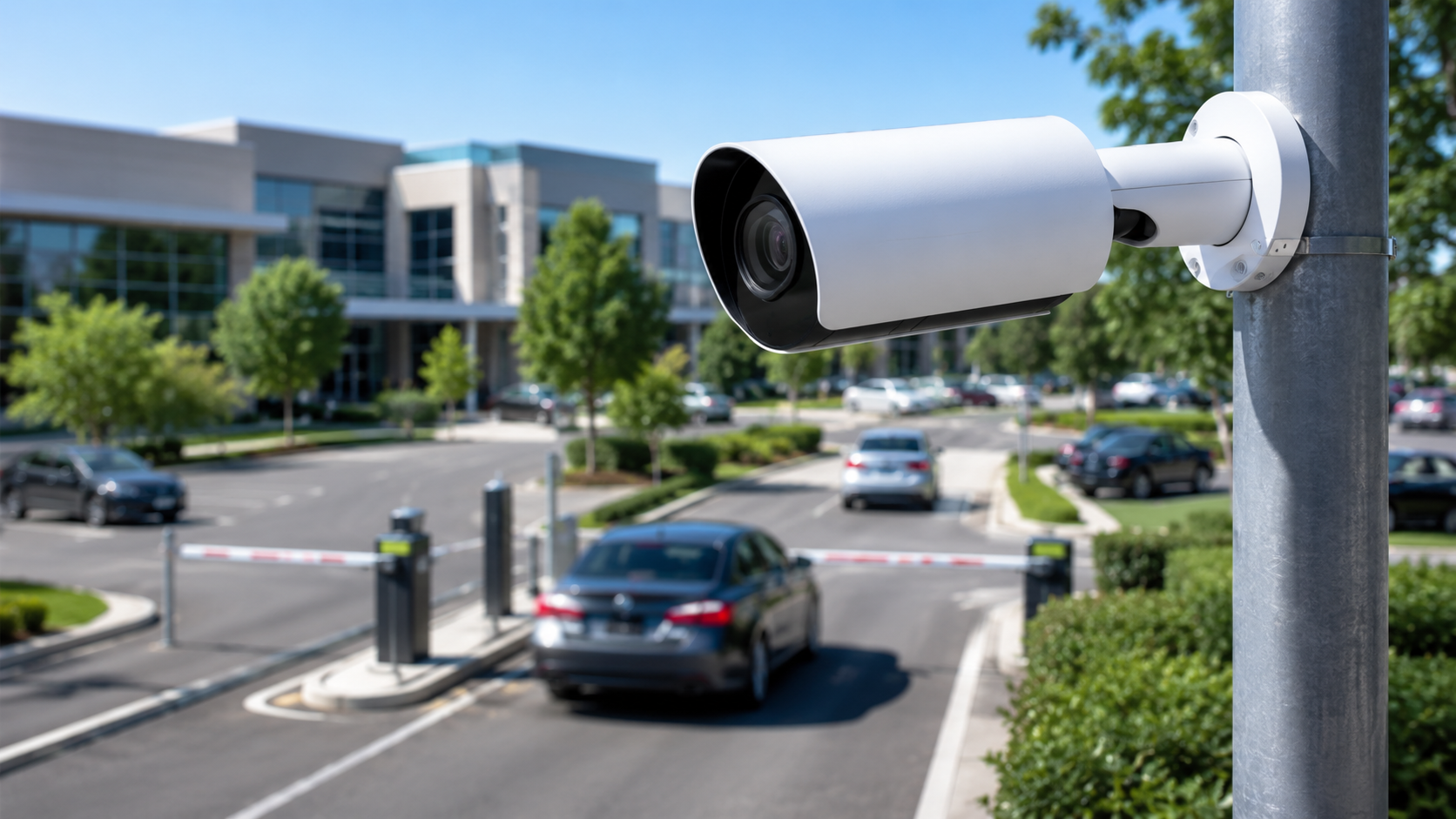
LPR cameras help identify vehicles entering, exiting, or moving through key areas: main entrances, parking lots, intersections, school driveways, industrial parks, municipal facilities, and known trouble spots.
2. Context Cameras for the Full Picture
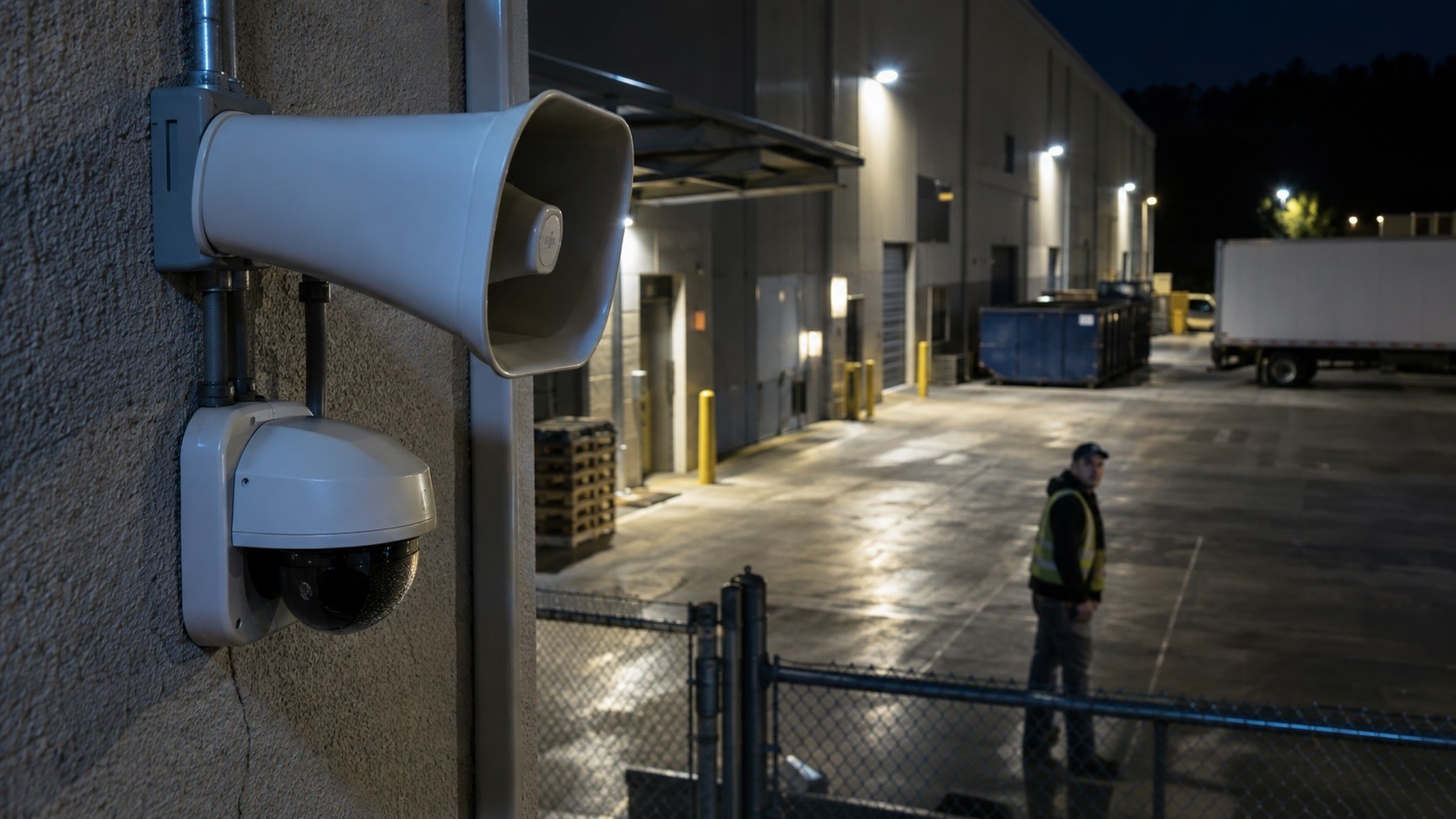
Context cameras show what happened around the vehicle and help answer the questions LPR cannot answer alone. Public safety decisions should not rest on a plate read when usable video context is available.
3. Mobile Surveillance Trailers for Flexible Coverage
Not every risk is permanent. Construction zones, seasonal events, school arrival zones, vacant properties, and high-activity corridors may need temporary coverage. Mobile security trailers add visible deterrence and real-time visibility in days rather than the months a permanent project takes, and because the trailer runs on the agency’s own account, the footage stays under the agency’s control.
4. Real-Time Alerts That Route to the Right Team
A system is only useful when the right people know what is happening. The key is not more alerts, it is better alerts: accurate, actionable, and tied to video a person can verify quickly before acting.
5. Searchable Video for Faster Investigations
After an incident, investigators do not have time to scrub hours of footage across disconnected systems. Searchable video, and AI-driven analytics, make it faster to find vehicles, people, and activity, and to follow an incident across locations.
6. Control, Access Rules, and an Audit Trail
This is the layer the backlash was really about. A public safety camera system needs accountability built in: the agency decides who can access footage, at what level, and every access is logged. When someone asks who looked at the data and why, the system should produce the answer. That is the difference between a tool and a liability.
How Does Verkada Fit as a Flock Alternative?
Flock made LPR a household term, and then made it a cautionary tale. Public safety leaders are no longer looking only for plate reads. They are looking for capable systems they can actually govern.
That is where Verkada becomes a serious alternative. It supports LPR and vehicle analytics, but the larger advantage is a platform the agency controls: LPR paired with context cameras, mobile trailers, access control, alerts, and cloud-managed video, with access governed and logged. When Santa Barbara moved off Flock in August 2026, its police department described the replacement Verkada deployment as a city-owned, department-controlled system where the department keeps exclusive control over configurations, permissions, retention, and administration. That is the standard worth holding any vendor to.
Isn’t that just another ALPR system with the same risks?
It is a fair question, and it deserves a straight answer. No surveillance technology is free of tradeoffs, and “same category” is not “same system.” The failures that drove the backlash were failures of secrecy and lost control: sharing nobody approved, access nobody logged, settings nobody disclosed. A platform architected so the agency governs access, logs every search, and deliberately decides what connects to what is addressing those specific failures directly.
On integrations, including federal databases like NCIC and other law-enforcement tools, the honest answer is that modern platforms can connect to outside systems, and that capability can be legitimate and useful. The distinction that matters is control: a lawful, agency-authorized, logged connection the agency chose to enable, can audit, and can turn off is a categorically different thing from data quietly pooled into a national network by default. The agency, not the vendor, should decide, and should be able to prove the setting with an audit log. A good integrator makes sure you know which connections exist, which are on, and how to verify them.
That does not mean every organization needs the same setup. It means communities have real options beyond a plate-only strategy, and beyond a model they cannot control. Hoosier Security helps customers think through that difference before they buy.
The Part Nobody Talks About: Keeping the System Working
Here is the problem that wrecks more deployments than the privacy fights do: agencies and organizations struggle to keep these systems maintained.
A camera and LPR deployment is not a buy-it-once purchase. Firmware needs updating. Security patches need applying. Cameras drift out of focus, lose connection, fill storage, or quietly stop recording. Analytics need tuning. A system that was healthy at install degrades month by month, and the failure is invisible until the day someone pulls footage for a case and it is not there. An unpatched, unmonitored system is also a cybersecurity liability, which is its own governance problem.
Most agencies and property teams do not have the IT depth to stay ahead of this. That is the gap a real service agreement closes. Hoosier Security keeps the system patched, secured, monitored for health, and actually functioning across its full life, not left to rot after the install crew leaves. When you evaluate a public safety camera system, the maintenance plan is not a line item to trim. It is what determines whether the system is still doing its job in year three.
What Should Buyers Ask Before Signing?
The smartest time to prevent problems is before the purchase order is signed. Use this checklist for any LPR program, camera system, or mobile trailer.
LPR and Public Safety Camera System Checklist
- Context beyond the plate. Does the system provide video context, not just a license plate read?
- Usable footage in real conditions. Can cameras capture usable video during the day, at night, and in bad weather?
- Access and audit. How are users, permissions, and access logs managed, and can you produce a full record of who accessed data and why?
- Data ownership. Who owns the footage, metadata, alerts, and access logs? Get it in writing.
- Integrations and external connections. Which outside systems or databases can this platform connect to, including federal databases? Which are on by default, who controls them, and can you verify with an audit log that a connection is off when you turn it off?
- How long is data retained, and who sets that policy?
- Verified alerts. Can alerts be confirmed with video before anyone acts on them?
- Mobile and temporary coverage. Can the system support trailers or temporary event coverage without a permanent build?
- Who keeps the system patched, healthy, and verifiably recording across its full life? Is that in the contract?
- Local support and integrator independence. Can the integrator handle installation, networking, training, and service locally, and are they honest across multiple platforms rather than selling the one stack they represent?
Those questions matter because public safety technology is not just an equipment purchase. It is an operational decision you will answer for.
A Better Approach to Temporary Coverage
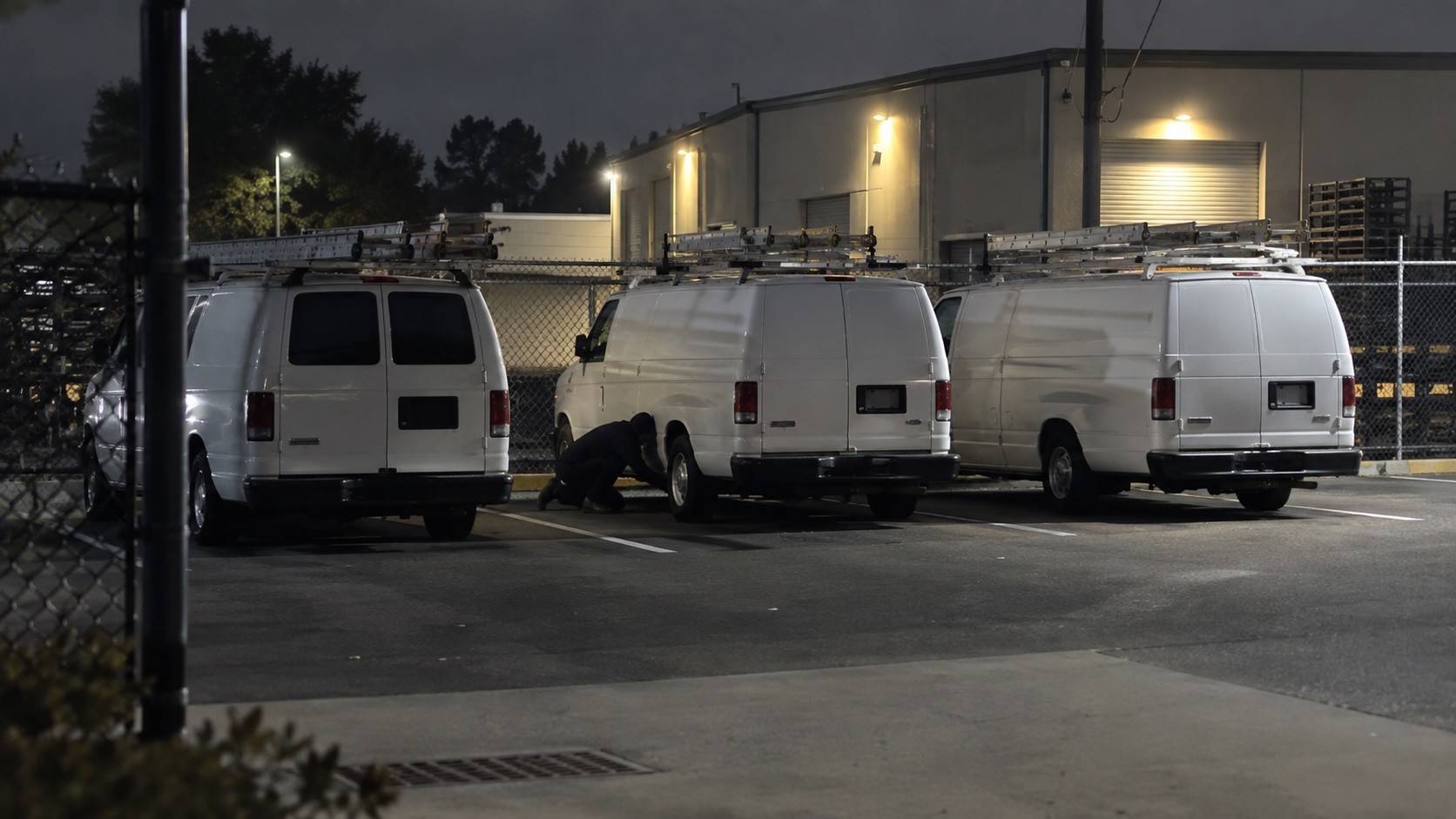
Consider a municipality dealing with vehicle break-ins near parks, school lots, and commercial corridors. A plate-only system might identify vehicles entering the area, but not show the actual break-in, the people involved, or where they went next.
A more complete approach uses a mobile surveillance trailer with LPR positioned near the main vehicle path, paired with context cameras covering the lot, sidewalks, and gathering areas. Alerts notify the right team when activity occurs after hours. Video can be searched quickly after an incident. And critically, the footage stays on the agency’s own controlled system, shared only when the agency deliberately decides to share it.
Then the system goes onto a service agreement, so a year later the cameras are still current, connected, and verifiably recording. That gives the municipality more than a plate number. It gives them a clearer timeline, better evidence, control they can defend, and a system that still works when the next incident happens.
Why the Integrator Matters as Much as the Brand
The vendor matters. The platform matters. But the integrator matters just as much. A public safety system can fail because the cameras were aimed wrong, the network was not designed properly, the wrong device was selected for the location, the trailer lacked reliable connectivity, or nobody trained the team on how to use the system under pressure, or because nobody kept it maintained after install.
Hoosier Security designs systems around the real environment, not a generic product list. That includes:
- Site walks and risk reviews
- Camera placement planning
- LPR and context camera design
- Mobile trailer deployment strategy
- Network and connectivity planning
- Governance setup: access rules, retention, and which integrations are on
- User training and ongoing service
The goal is simple: your public safety technology should work when people need it, and you should be able to account for how it is used.
FAQ
Q: What is license plate recognition?
A: A: License plate recognition, or LPR, uses cameras and optical character recognition to capture and read vehicle license plates. Public safety teams use it to identify vehicles connected to investigations, stolen vehicles, missing persons, or other urgent situations. ALPR (automatic license plate recognition) refers to the same technology.
Q: Why is LPR alone not enough for public safety?
A: A: LPR can identify a vehicle, but it does not explain what happened. Public safety teams also need context video, searchable footage, verified alerts, clear access controls, and reliable camera placement to support responsible response and investigations.
Q: Why are so many communities canceling LPR contracts right now?
A: The backlash is largely about control and governance, not the technology’s value. Communities discovered data from some networked systems could be accessed by outside agencies without their approval, which drove cancellations, lawsuits, and public pressure. Independent coverage from GovTech documents the pattern. The lesson is to demand a system you can govern, not to abandon the tools.
Q: How is Verkada different from a plate-only LPR system?
A: Verkada supports LPR as part of a broader platform that includes video cameras, analytics, mobile trailers, access control, and centralized, access-controlled management. Beyond the added context, the key difference is governance: the agency controls access, every search is logged, and integrations are deliberate settings the agency enables and can audit. When Santa Barbara replaced Flock, its department described the Verkada system as a city-owned, department-controlled system.
Q: What about connections to federal databases like NCIC?
A: A: Modern platforms can integrate with outside law-enforcement systems, and that can be legitimate. The key is that any such connection should be one the agency knowingly enables, can audit, and can disable, not background sharing the agency never approved. Ask any vendor which integrations exist, which are on by default, and how to verify the setting.
Q: Why does a maintenance agreement matter for a camera system?
A: A: Because these systems degrade quietly. Firmware goes stale, patches go unapplied, cameras lose connection or stop recording, and the failure is usually invisible until footage is needed and isn’t there. A service agreement keeps the system patched, secured, and verifiably working, which is often what separates evidence that holds up from a system that silently failed.
See Public Safety Technology in Action at the Hoosier Security Experience Center
Reading about public safety technology is one thing. Seeing it work is different.
At the Hoosier Security Experience Center, you can see how LPR, Verkada cameras, mobile surveillance trailers, video analytics, and integrated response tools work together in real-world scenarios, and how the controls that keep you accountable actually operate.
Schedule an Experience Center session with Hoosier Security to explore what a complete, well-governed public safety camera system could look like for your municipality, school, commercial district, or property portfolio.